Planning homemade trail mix but unsure how much of each thing to use? Start with equal parts nuts, seeds, dried fruit and cereal, then adjust to taste.
More simple ideas live in the collection of easy snack recipes.
| Item | Value |
|---|---|
| Base ratio | 1 cup each of nuts, seeds, dried fruit and cereal |
| Batch yield | 8 servings |
| Suggested portion | ½ cup |
| Calories per portion | 210 calories |
| Freshest within | 3 months |
| Hands-on time (spiced version) | 10 minutes |
The figures come from the University of Nebraska–Lincoln recipe and the EatFresh recipe. Recipes and nutrition values can change, so check the source before you rely on them.
The basic ratio for homemade trail mix
The easiest formula is equal parts. The University of Nebraska–Lincoln recipe uses 1 cup each of unsalted nuts, unsalted seeds, unsweetened dried fruit and unsweetened cereal, and it makes 8 servings (source).
The method takes four steps:
- Wash your hands with soap and water.
- Tip every ingredient into a large mixing bowl.
- Stir until the four groups are evenly spread.
- Pack the mix into an airtight container and keep it somewhere cool and dark.
Equal parts are a starting point, not a rule. The University of Iowa Student Wellness version leans on seeds: it calls for 1 1/2 cups of unsalted sunflower seeds, 1 cup of unsalted nuts, 1 cup of diced dried fruit and 1/2 cup of raisins, dried cherries or cranberries (source). It still makes 8 servings.
That gives you room to push the ratio toward whatever you like best. More fruit tastes sweeter, and more seeds or nuts make a denser, crunchier handful.
What can go into each group?
The Nebraska recipe lists examples for every group, so you can shop from a short menu (source):
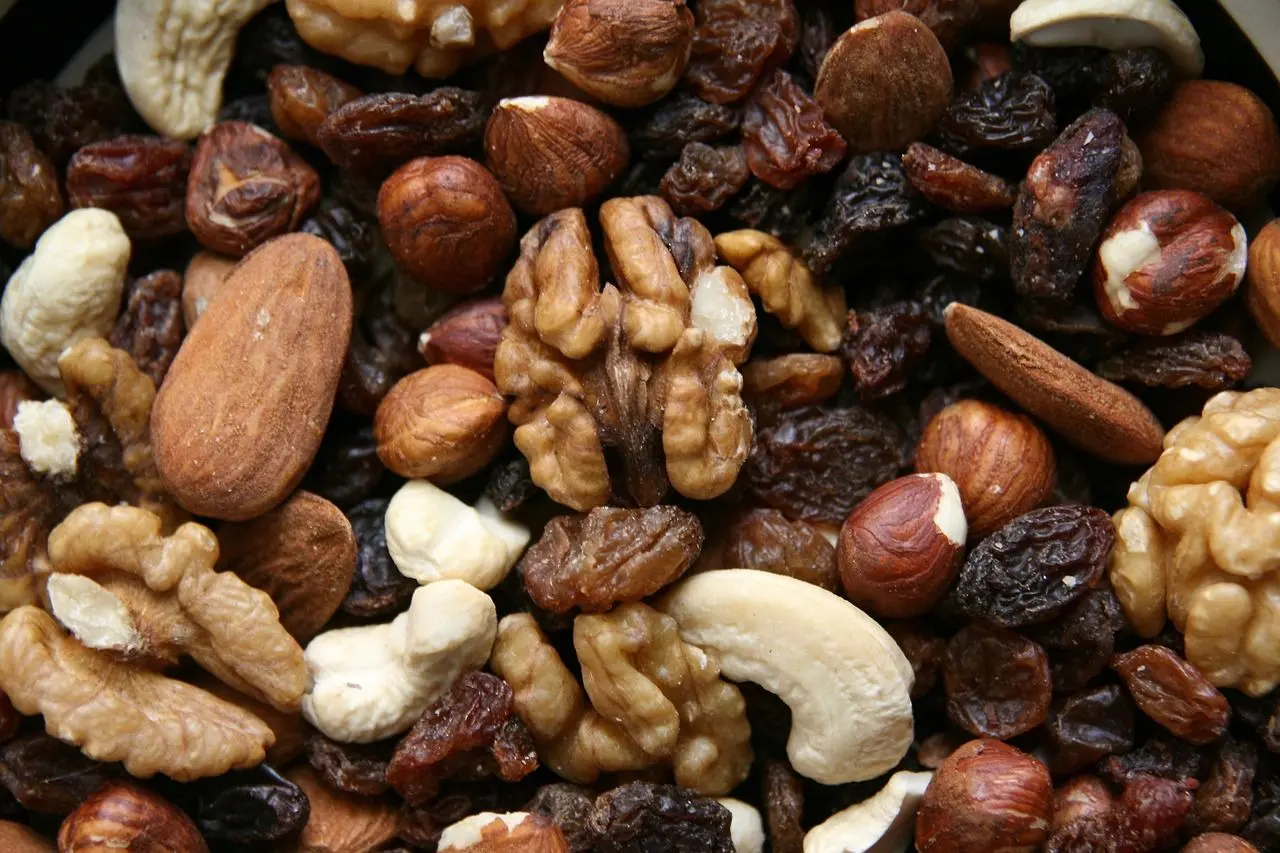
- Nuts: peanuts, walnuts, almonds, pecans or cashews.
- Seeds: pumpkin seeds or sunflower seeds.
- Dried fruit: raisins, cranberries, mango, bananas or pineapple.
- Cereal: oatmeal, rice or wheat square-shaped cereal, or circle-shaped cereal.
The Iowa recipe widens the fruit options to prunes, apricots, pears and apples (source). The EatFresh recipe swaps the cereal group for pretzels, oat cereal or bite-size crackers (source).
Both Nebraska and Iowa specify unsalted nuts and seeds. Buying them plain leaves salt and sugar in your hands rather than the packet’s.
If you want a savory crunch beyond cereal, the roasted chickpeas recipe shows one option you could stir in.
Spiced, savory and sweet variations
EatFresh takes a looser approach. Its spiced mix uses 1 cup each of nuts, dried fruit and seeds, plus 1 cup of pretzels, oat cereal or crackers, and the recipe is ready in 10 minutes and serves 12 (source).
The seasoning is 1 tablespoon of paprika or cinnamon, and the recipe adds that cinnamon brings out the sweet flavor of the ingredients. If you like sweet and savory together, it suggests paprika with a pinch of salt (source).
It also lists two optional extras, 1 cup of dried shredded coconut and 1 cup of chocolate chips. For texture, it suggests mixing all three crunchy options: pretzels, low-sugar cereal and mini crackers.
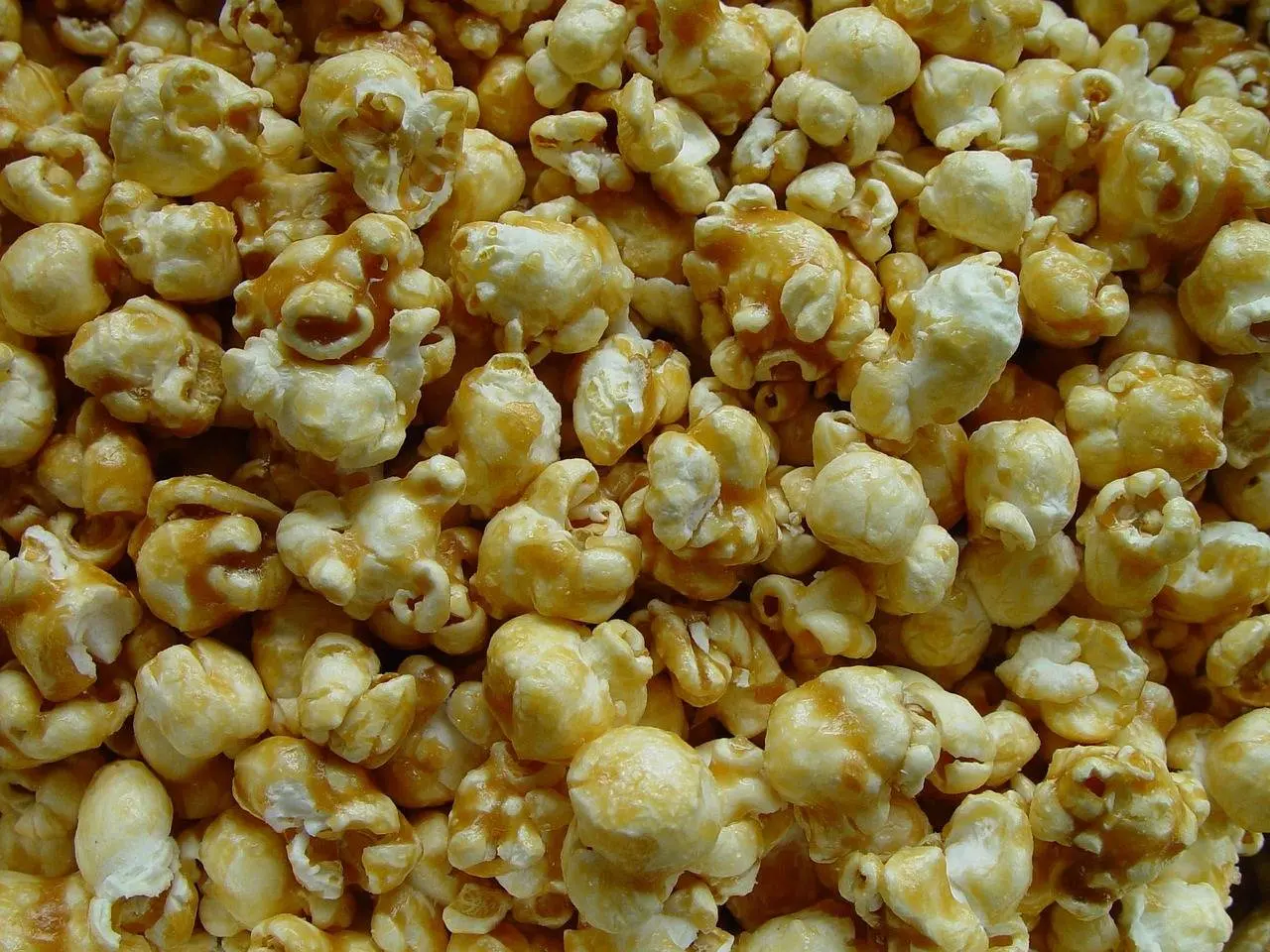
A sweeter cooked snack is a different project, and the caramel popcorn recipe covers that route.
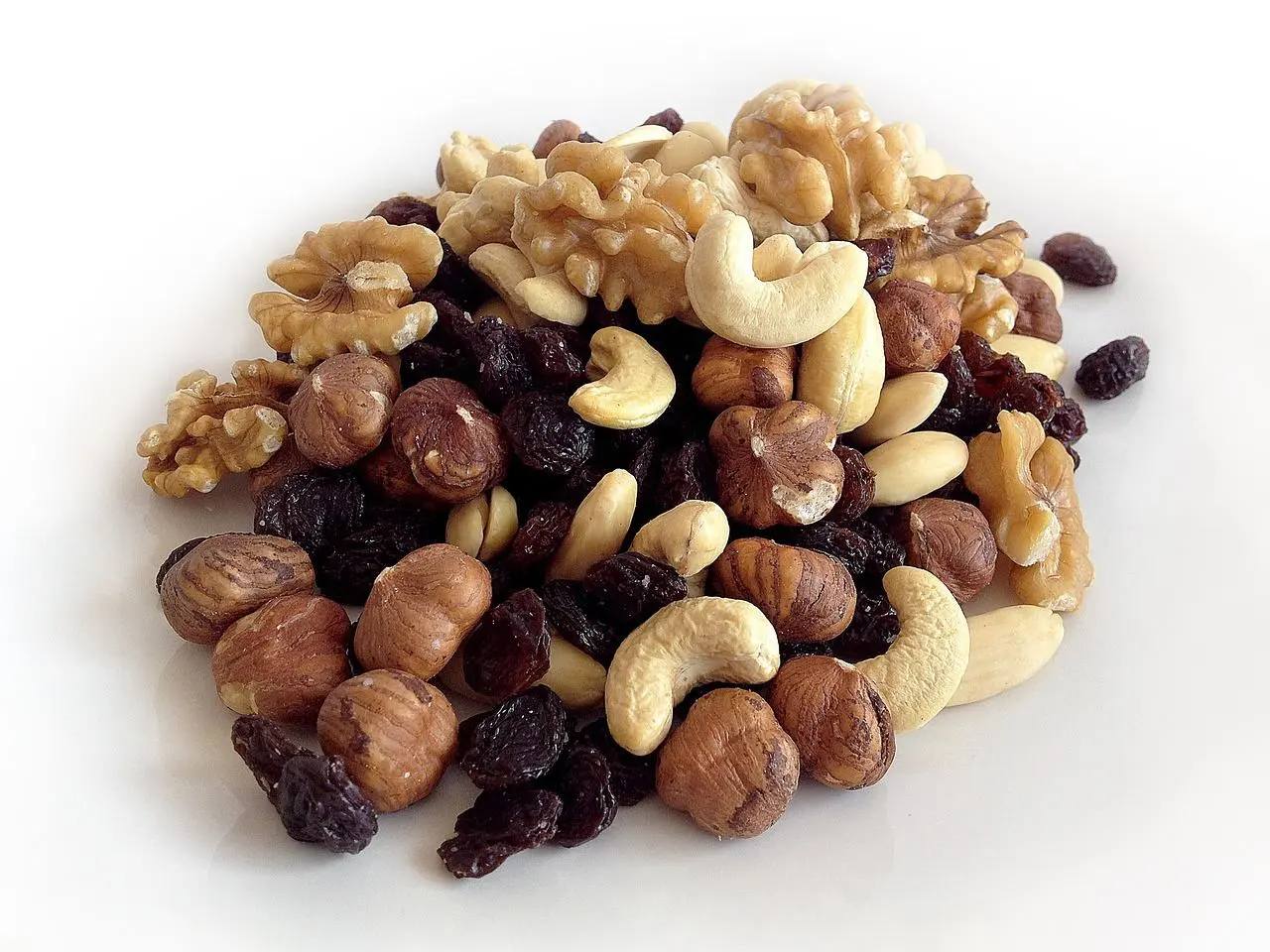
How do the nutrition numbers compare?
Two of the recipes publish a fuller nutrition panel, and the serving sizes are different, so read the first column before the rest.
| Recipe | Serving size | Calories | Sodium | Fiber | Protein |
|---|---|---|---|---|---|
| Nebraska (unsalted, unsweetened) | ½ cup | 210 calories | 15mg | 2g | 4g |
| EatFresh (spiced) | 0.25 cup | 196 calories | 113 mg | 4 g | 6 g |
Values are taken from the Nebraska and EatFresh pages and may be revised, so check them before relying on the numbers.
The University of Hawaii Nutrition Center lists a trail mix at 682 calories per 150 g serving, with 323 mg of sodium and 11 g of fiber (source). The Iowa recipe lists 192 calories and 6mg of sodium per serving (source).
Because the serving size differs from page to page, calories can’t be lined up one to one. Salt and add-ins such as pretzels, chocolate chips and coconut change the totals, so your own mix will land wherever your ingredients put it.
Storing, portioning and allergens
Nebraska advises an air-tight container in a cool, dark place, and says to consume the mix within 3 months for maximum freshness (source). EatFresh is more cautious: stored in an airtight bag or container, its mix keeps for a few weeks (source).
For grab-and-go use, Nebraska suggests portioning into ½ cup servings in to-go containers or zip-top bags (source). Pre-packing also makes the portion easy to see.
Nuts matter if anyone you feed has an allergy. The Hawaii Nutrition Center page tags its trail mix with peanuts and tree nuts as allergens (source), so read every package label and label your own batch clearly.
Frequently asked questions
Does homemade trail mix need any cooking?
Show answer
Not in the recipes used here. EatFresh’s instructions are simply to toss everything together and enjoy (source).
How big is one portion?
Show answer
Nebraska’s nutrition panel is based on a ½ cup serving, while EatFresh’s is based on 0.25 cup, which is why the two calorie figures aren’t directly comparable (Nebraska, EatFresh).
Which version is lowest in sodium?
Show answer
Of the pages listed with a sodium figure, the Iowa recipe with unsalted nuts and seeds shows 6mg per serving, against 15mg for Nebraska’s (Iowa, Nebraska). Salted extras raise the figure, as EatFresh’s 113 mg per 0.25 cup shows (source).
Should the mix go in the fridge?
Show answer
The Nebraska recipe names a cool, dark place and an air-tight container rather than refrigeration (source). Its recipe makes no mention of chilling the mix.