You want easy snack recipes without a long shopping list. Start with popcorn, roasted chickpeas, trail mix or granola bars: each comes together at home with pantry staples, a pan and a bowl.
| Item | Value |
|---|---|
| Calories in three cups of plain popcorn | About 93 calories |
| Fiber in three cups of plain popcorn | 3.5 grams |
| Extra calories from popping in oil, per ounce | About 30 percent |
| Butter-flavored microwave popcorn vs air-popped, per ounce | About 40 percent more calories |
| Satiety trial: six cups of popcorn vs one cup of potato chips | 100 calories vs 150 calories |
| Youngest age group that should skip popcorn | Children under 4 |
The figures come from FitCraft and Nutrition Advance. Nutrient values and products can change, so check the sources before you rely on them.
What makes a snack easy to make at home
An easy snack has a short ingredient list, a single cooking step and no special equipment. Every recipe in this hub follows that rule: a lidded pot, a baking sheet or a mixing bowl is enough.
Three habits keep homemade snacks simple. Each one also gives you control over the salt, sugar and fat that end up in the bowl.
- Start from a whole ingredient such as kernels, dried chickpeas or rolled oats, rather than a flavored bag.
- Season at the end, in small pinches, and taste as you go.
- Make a small batch first, then adjust the next one to your own taste.
The sections below move from the fastest snack, popcorn, to crunchy roasted legumes, mixes and bars you can pack for a day out.
Popcorn: the quickest homemade snack
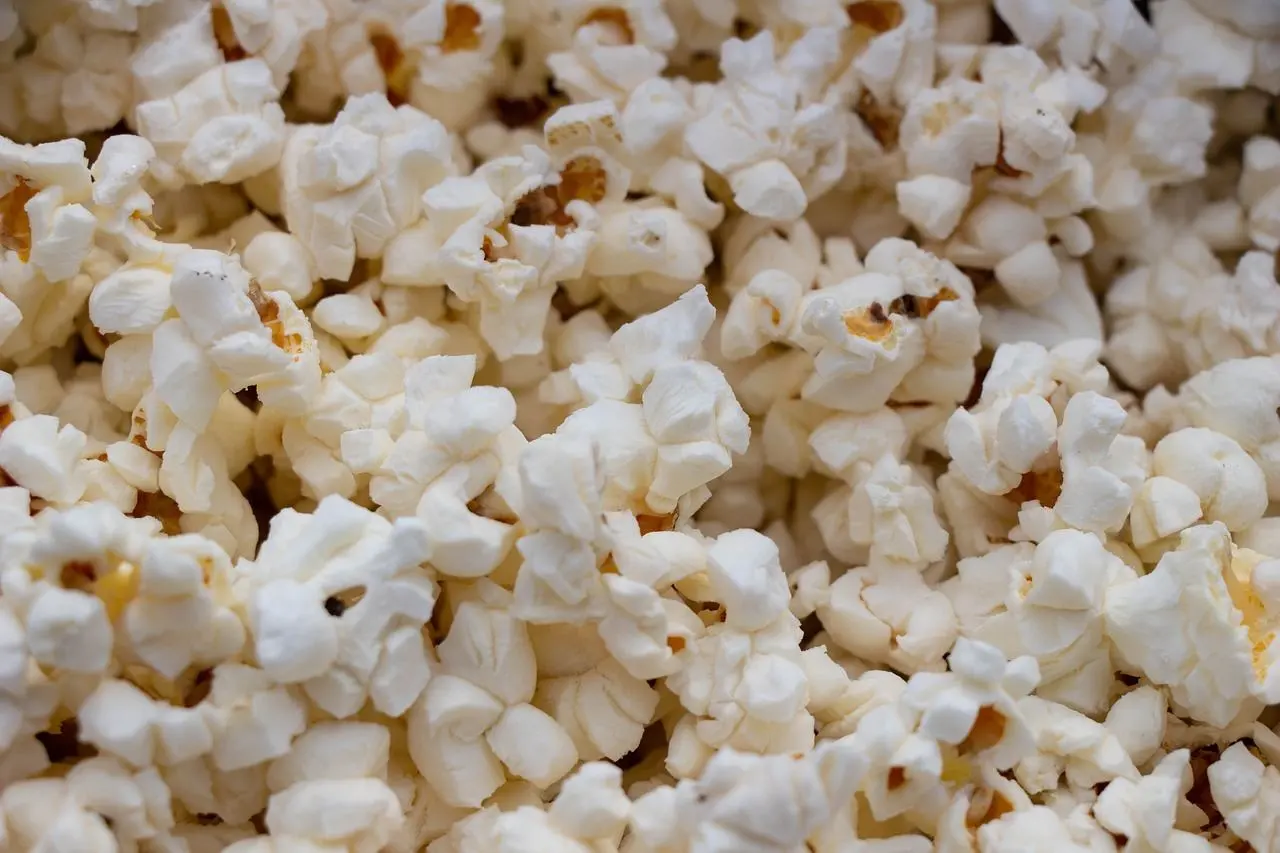
Nutrition Advance describes popcorn in its unprocessed state as a whole grain, and says it first became part of human diets almost 7000 years ago in South America. You can read the details in the Nutrition Advance popcorn guide.
The same page explains the pop: moisture inside the kernel presses against the starchy walls until it explodes outward as the kernel heats up. That is why a handful of hard kernels turns into a full bowl in minutes.
A basic stovetop method needs only a pot, a lid, kernels and a little oil:
- Warm a heavy pot with a lid over medium heat and add a thin film of oil.
- Drop in a few test kernels. When they pop, add enough kernels to cover the base in a single layer.
- Cover the pot and shake it gently as the popping builds.
- Take the pot off the heat when the pops slow to a few seconds apart.
- Season straight away while the popcorn is still warm, so the salt sticks.
Once you have that base method, three variations cover most tastes:
- For a sweet-and-salty coating, follow the kettle corn recipe.
- For a savory, cheesy version, try the parmesan popcorn recipe.
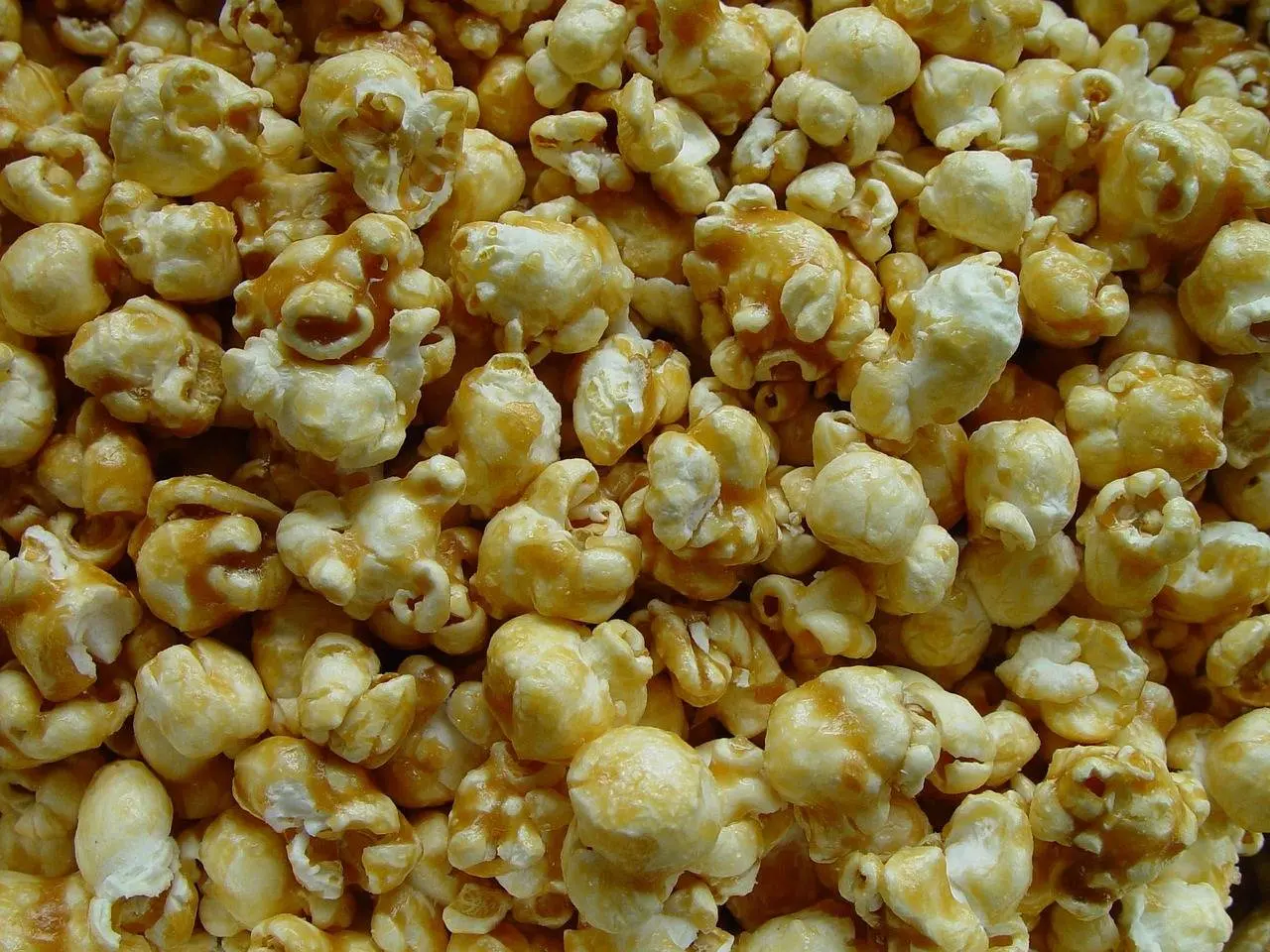
- For a candy-style treat, use the caramel popcorn recipe.
Oil changes the numbers a little. FitCraft reports that popping in oil adds about 30 percent more calories per ounce, and nearly all of the extra is fat. For background on kernel types and popping methods, the popcorn hub is the place to continue.
Chickpeas, trail mix and bars for a crunchier snack box
Popcorn is not the only snack that needs little effort. Legumes, nuts, seeds and oats all keep well in a bowl or a tin, and they give you something chewy or crunchy when you want a change from popcorn.
- Crunchy and savory: the roasted chickpeas recipe turns a pantry can into something you can eat by the handful.
- Mix-and-match: the homemade trail mix guide shows how to combine nuts, seeds and dried fruit to your own taste.
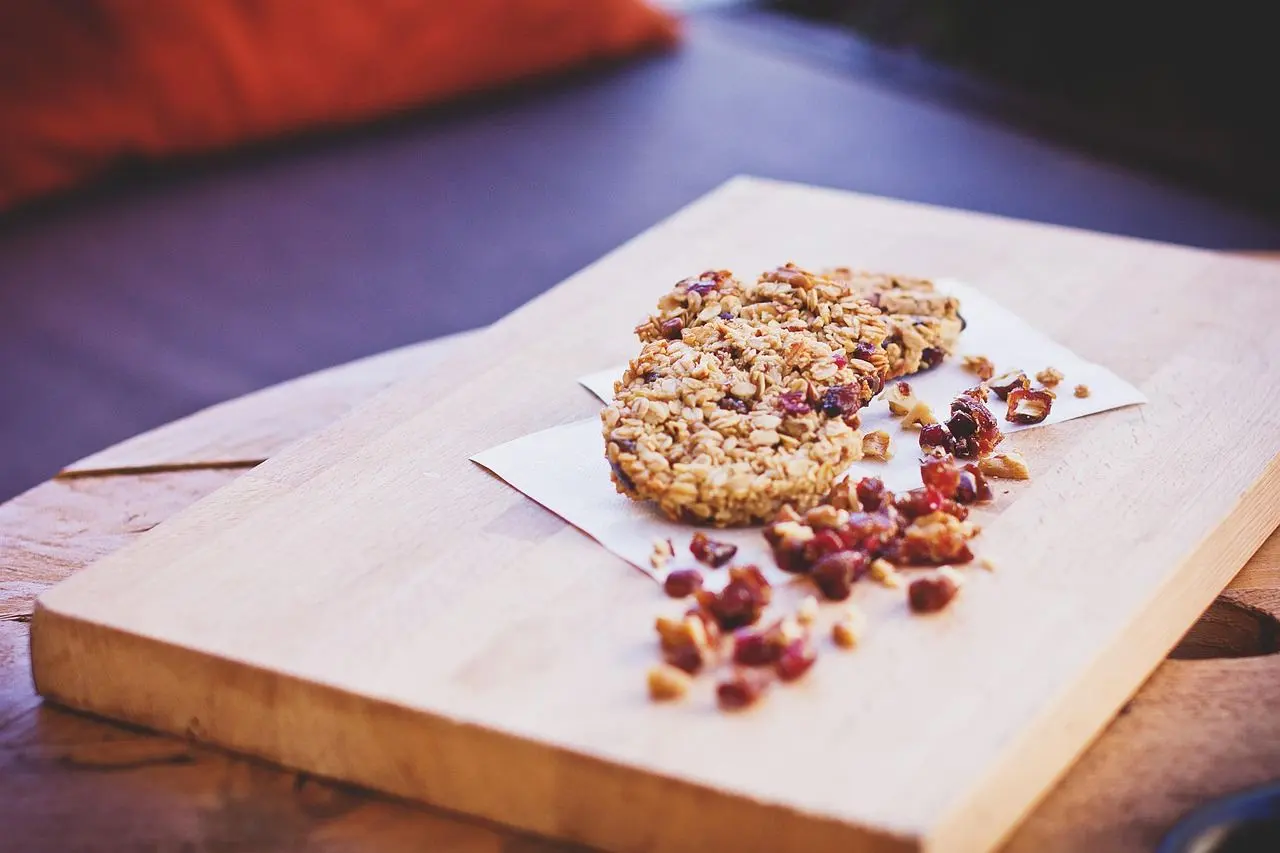
- Portable and sliceable: the homemade granola bars recipe packs oats and a binder into bars you can wrap and carry.
Chickpeas work best when they are well drained and dried before seasoning, because surface moisture stops them from crisping. Season them while they are still warm from the oven, as you would with popcorn.
For mixes and bars, a good rule is to balance textures: pair something crunchy with something chewy, then add a pinch of salt or a little sweetness. If you are unsure how sweet a bar will be, start with less sweetener and add more in the next batch.
Here is a quick way to choose between the recipes:
- You have only a few minutes: pop a pot of popcorn.
- You want something savory and crunchy for later: roast chickpeas.
- You are packing for a hike or a desk drawer: mix a trail mix or slice a batch of bars.
Is popcorn a good swap for potato chips?
One way to judge a homemade snack is how filling it is for its calories. Nutrition Advance cites a 2012 human trial on satiety in which six cups of popcorn (100 calories) led to greater satiety and lower energy intake at the next meal than one cup (150 calories) of potato chips.
FitCraft describes the same research as an industry-funded trial of 35 adults by Nguyen and colleagues. Treat it as one data point rather than proof, since a single small study cannot settle the question.
If you want other lighter options beyond popcorn, browse the healthy snacks hub for more ideas.
Toppings and store-bought bags change the picture
Buying a ready-made bag is convenient, but Nutrition Advance warns that many packaged popcorn products contain large amounts of added sugar, salt and oils, which lowers their nutritional value. Making your own lets you decide how much of each goes in.
Cinema popcorn is a more extreme case. FitCraft reports that 2009 lab tests commissioned by the Center for Science in the Public Interest found about 1,200 calories in a medium popcorn at one large chain, before any topping. It adds that menus and oils change, so read that number as a warning about portion size and oil rather than a current figure.
Flavored microwave bags sit in between: FitCraft puts butter-flavored microwave popcorn at about 40 percent more calories per ounce than air-popped popcorn. At home, you control three things:
- Oil: use just enough to coat the base of the pot.
- Salt: add it at the end and in small pinches.
- Sweetener: keep caramel and kettle-style coatings for occasions, not every bowl.
Frequently asked questions
Is popcorn gluten-free?
Show answer
Nutrition Advance lists corn, including popcorn, alongside buckwheat, fonio and rice as gluten-free grains, so plain popcorn suits a gluten-free diet; see the Nutrition Advance popcorn guide. Mixes and bars are different, because oats and add-ins vary, so read the labels of anything you add.
Can young children eat popcorn?
Show answer
According to FitCraft, children under 4 shouldn’t eat popcorn because it is a choking hazard. The same caution is sensible for whole nuts and hard pieces in homemade mixes.
Why does a big bowl of popcorn have so few calories?
Show answer
Most of each popped kernel is air. FitCraft notes that a cup weighs only 8 grams, so a large-looking bowl adds up to very little.
Is air-popped or stovetop popcorn the better choice?
Show answer
FitCraft calls air-popped popcorn the leanest option and says stovetop popcorn made with a teaspoon or two of oil is close behind, and that most people think it tastes better. Both are covered in its popcorn guide.