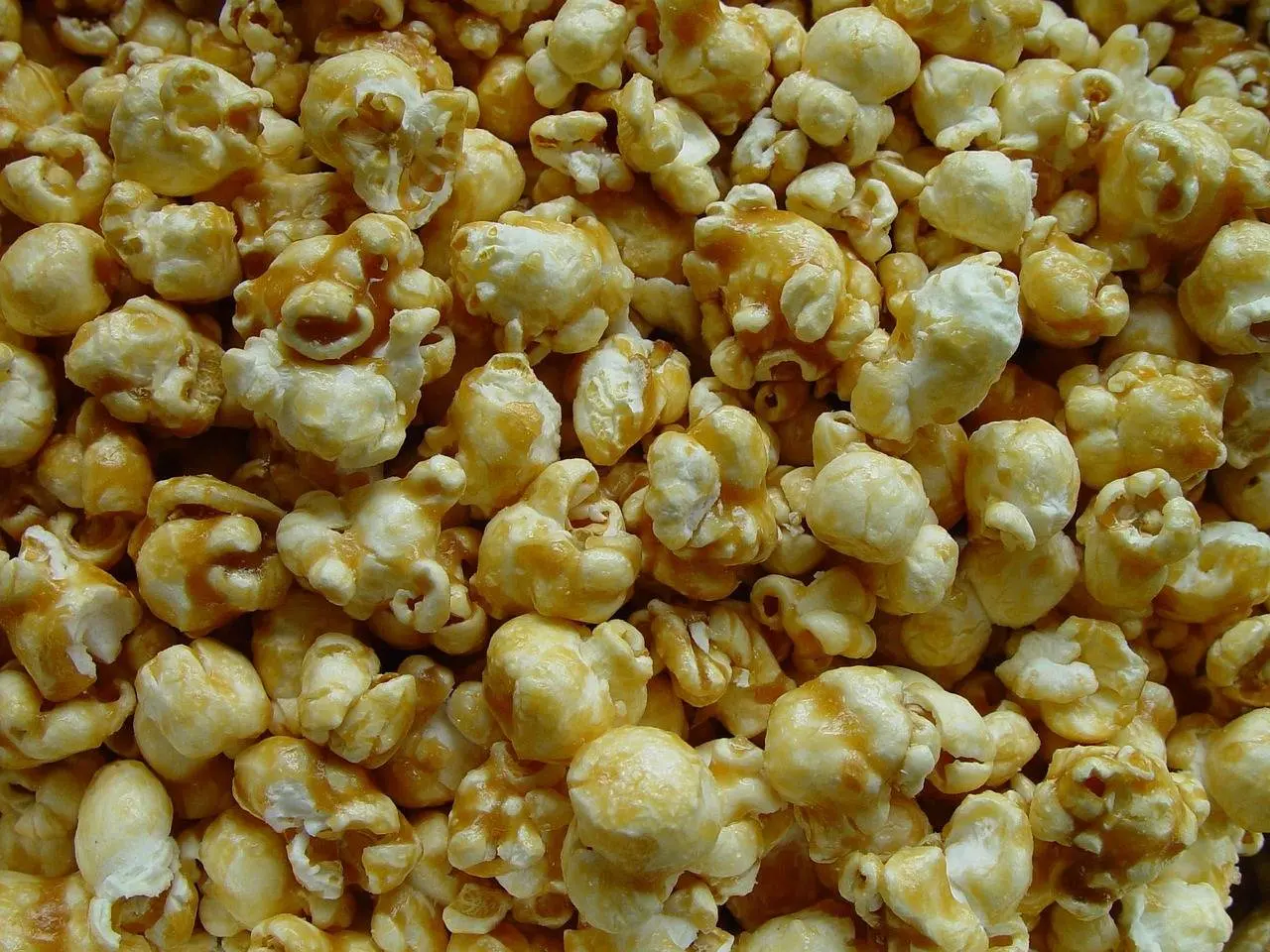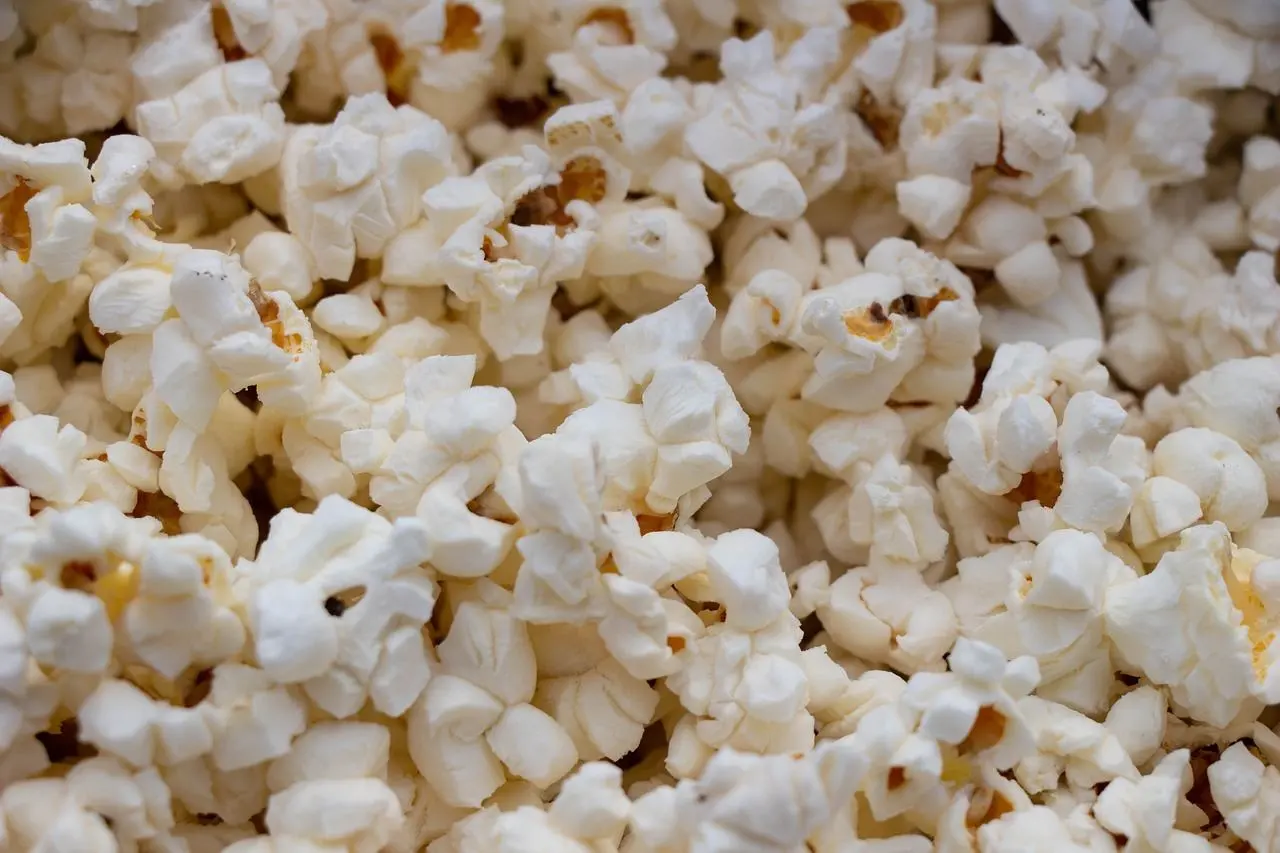
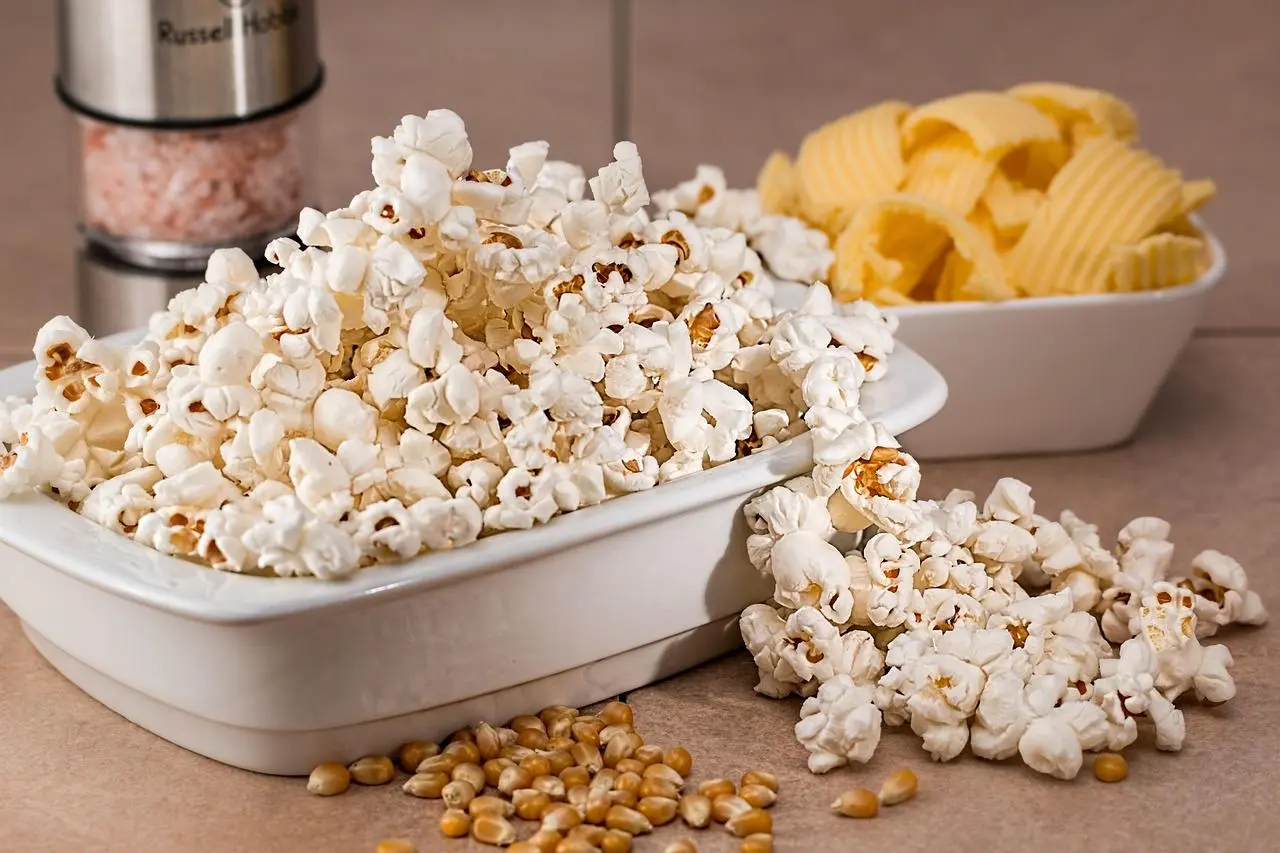
Want fair-style sweet-and-salty popcorn without leaving your kitchen? This kettle corn recipe needs 4 ingredients, one pot and under 10 minutes. Keep the pot shaking and the sugar stays on the corn, not on the pan.
This stovetop batch is one of the easy snack recipes that needs no special equipment beyond a lidded pot.
| Item | Value |
|---|---|
| Total time | under 10 minutes |
| Core ingredients | 4 ingredients |
| Pot size | 5-6 quart pot with a lid |
| Sugar and salt balance tested | 2 tablespoons sugar with 1/2 teaspoon salt |
| When to pull the pot off the heat | popping about once every 2-3 seconds |
| Room-temperature storage | 5-6 days in a sealed container |
The figures come from Amanda’s Cookin’ and Life Currents. Recipes and timings can change, so check the source before you rely on them.
What makes kettle corn different from plain popcorn?
Kettle corn is popcorn popped with sugar in the pot, then finished with salt. The name comes from the vessel: according to Amanda’s Cookin’, it is “made from popping corn kernels in a large iron kettle.”
The sugar is what sets it apart. As The Art of Manliness describes it, the heat caramelizes the sugar as the corn pops, which gives the crunchy sweetness you know from the fair.
That also explains the one real risk. Sugar scorches faster than popcorn does, so everything below is about keeping the kernels moving and getting the corn out of the hot pan on time.
Ingredients and what to pick
A base batch uses the quantities from The Art of Manliness:
- ½ cup popcorn kernels, plus 3 extra kernels for testing the oil
- ¼ cup granulated sugar
- 1 tsp salt
- 3 tablespoons neutral oil
If you prefer a smaller or less salty batch, Amanda’s Cookin’ liked the balance of 2 tablespoons of sugar and 1/2 teaspoon salt, and notes the salt can be reduced further.
Oil
Pick a neutral oil. Life Currents suggests an oil with a high smoke point, such as grapeseed, avocado, canola, sunflower or refined coconut oil, so the seasoning is not overpowered.
Sugar
Plain granulated white sugar gives the classic flavor, according to Life Currents. The same page notes that brown sugar tastes more like caramel corn, so swap it in only if that is the result you want.
Salt and kernels
Fine-grain salt spreads more evenly and sticks better than coarse salt, per Life Currents. You can add it with the sugar before popping, or wait until the corn is done, which lets you taste first and then add more.
White kernels are described there as slightly smaller, tender and more neutral in flavor. Yellow kernels have a denser hull, a bigger crunch and a nuttier flavor.
How to make kettle corn on the stovetop
Use a large pot with plenty of room for the corn to expand and a secure lid. Amanda’s Cookin’ also points out that a lightweight pot is easier to shake for the whole cook.
- Put 3 tablespoons of oil and 3 kernels in the pot, cover it and heat it. Once all 3 kernels pop, the oil is hot enough.
- Add the remaining kernels and the sugar, then stir or shake to coat them. Add the salt now, or save it for the end.
- Cover and shake the pot constantly so the kernels never sit still.
- When the popping slows to about once every 2-3 seconds, take the pot off the heat and keep shaking until it stops.
- Pour the corn into a large bowl or onto a sheet pan right away.
- Let it cool for a few minutes, break up the clumps and pick out any unpopped kernels.
The sources disagree a little on heat. Life Currents says medium heat works best because high heat may burn the sugar before the kernels pop, while Amanda’s Cookin’ cooks over medium high. If you are new to this, start on medium.
How to fix burnt, chewy or clumpy kettle corn
Most problems come down to timing, steam or sugar. Use this list to find yours:
- Scorched sugar: Amanda’s Cookin’ advises leaving some unpopped kernels rather than chasing every last pop and risking burnt sugar.
- Chewy corn: a tight lid can trap steam and turn the popcorn soggy, according to Life Currents. Prop the lid slightly open or use one with vent holes.
- Clumps: kettle corn tends to stick together, so break it apart with a large spoon or your hands, as The Art of Manliness notes.
- Stray kernels: unlike plain popcorn, the unpopped ones may cling to the popped corn instead of settling at the bottom, per Life Currents.
Pulling the pot early beats pulling it late. The Art of Manliness warns, in the context of plain stovetop popcorn, that by the time the popping fully stops “it’s too late and the popcorn will be burned.”
Serving and storing kettle corn
Serve it warm from the pot or at room temperature. Amanda’s Cookin’ considers both good, though fresh is best.
If you have leftovers, cool them completely first, then seal them in an airtight container. Amanda’s Cookin’ gives 5-6 days at room temperature, and Life Currents says up to a week, with crispness fading over time.
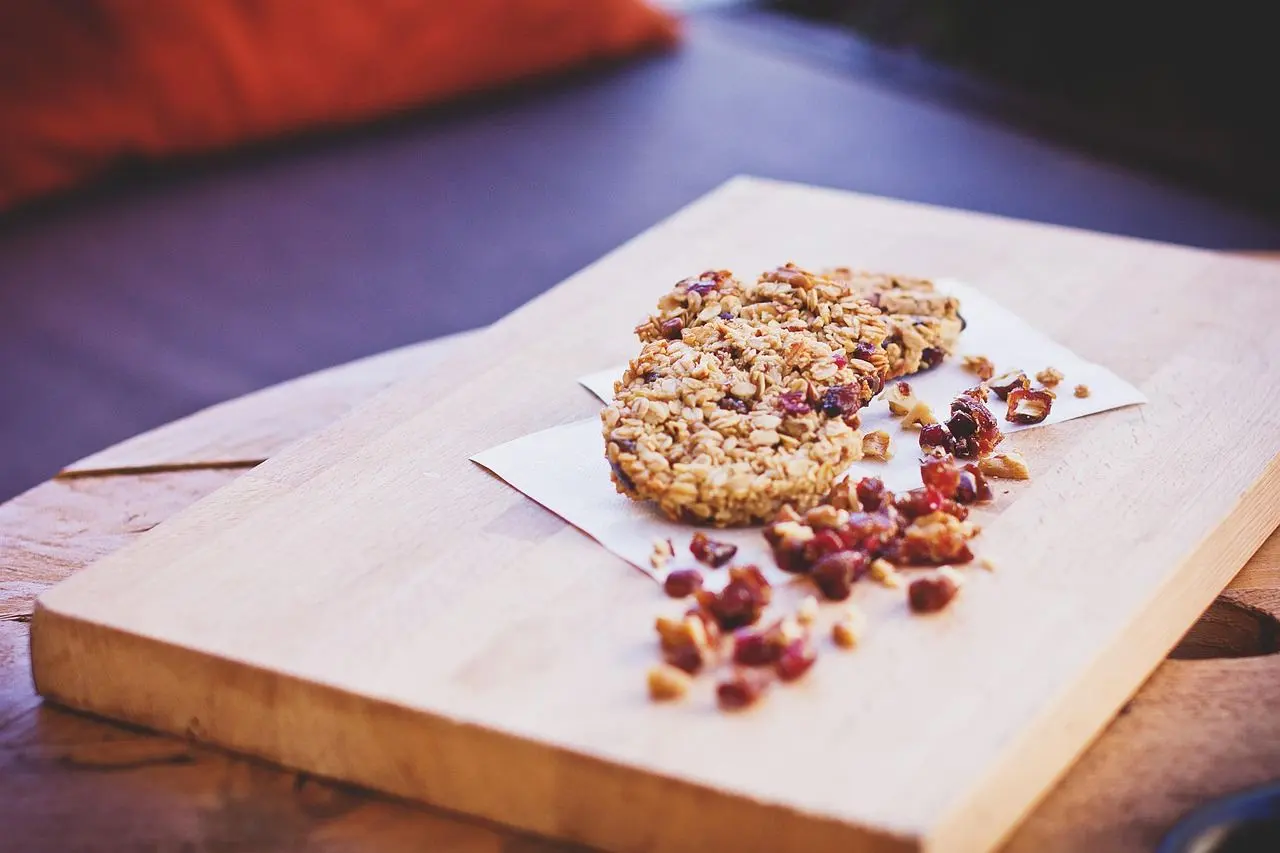
For a salty counterpart on the same pot, try the parmesan popcorn recipe. If you are building a snack table, the homemade granola bars make a chewy partner for a crunchy bowl of kettle corn.
Frequently asked questions
Why did my kettle corn taste burnt?
Show answer
The sugar probably sat too long in a hot, still pot. Shake without pause, use a lighter pot and tip the corn out the moment the popping thins.
Can I salt the popcorn after it pops?
Show answer
Yes. Adding salt to the finished batch lets you taste before you decide how much more it needs, then toss the pot to spread it.
Does the oil need to be a special kind?
Show answer
No. Any neutral cooking oil that tolerates heat works, and the oil only needs to carry the kernels to a pop rather than add flavor.
Is brown sugar a good swap?
Show answer
It changes the result. Brown sugar pushes the flavor toward caramel corn instead of the lighter fair-style taste that white sugar gives.