Standing in front of a shelf of bags and unsure which one to pick? The main types of popcorn kernels differ by color (yellow, white, blue, red) and by popped shape (butterfly or mushroom), which decides crunch and topping hold.
This page belongs to the wider popcorn section of the site.
| Item | Value |
|---|---|
| Kernel types in one common grouping | Six types: four by color, two by shape |
| Mushroom popcorn | Big, round and puffy |
| Another name for butterfly popcorn | Snowflake popcorn |
| Corn first domesticated | About 10,000 years ago, in Mexico |
| Point where the hull bursts | 180°C (356°F) |
The figures come from Popsmith’s kernel guide and Chef’s Pencil’s kernel review. They can change, so check the source before you rely on them.
What makes a kernel pop?
Popcorn stands apart from other corn because each kernel holds both moisture and air. Chef’s Pencil describes the outer hull as strong and waterproof, with starch inside mixed with a limited amount of water. When heated, the oil and water inside the kernel turn into pressurized steam, and the hull gives way at 180°C (356°F).
The same page notes that corn was first domesticated in Mexico about 10,000 years ago. Only some types of corn expand when heated, and the puffed result is what gets named popcorn.
That pressure-and-hull mechanism is shared by every variety below. What changes from kernel to kernel is the color, the hull thickness and the shape of the popped piece.
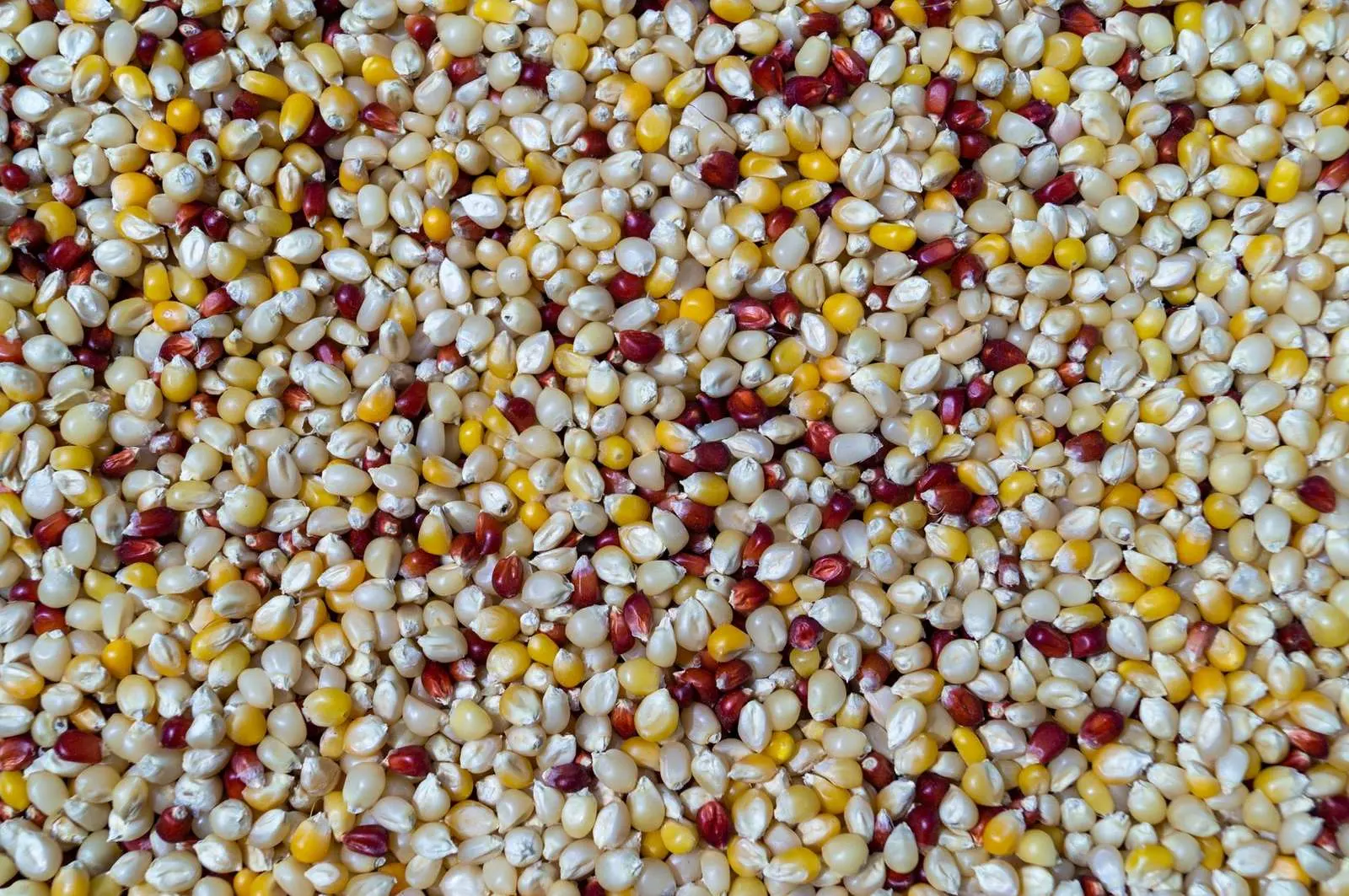
Kernel colors: yellow, white, blue and red
Popsmith sorts the four color types like this:
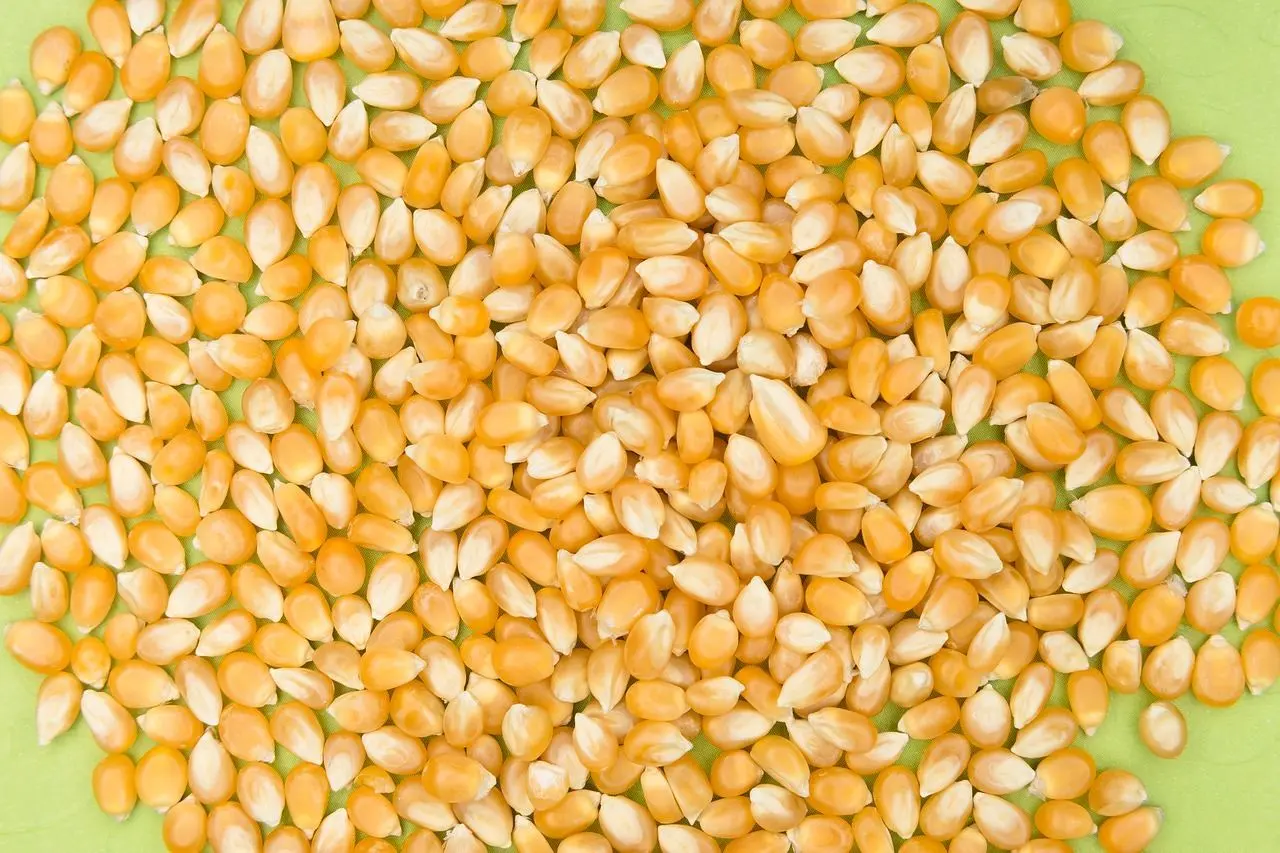
- Yellow: medium-sized kernels with a golden hue from higher carotenoid content. They pop into large, fluffy pieces that take toppings well.
- White: slightly smaller than yellow, with a pearl-like look. They pop up softer and more delicate.
- Blue: despite the blue kernel, it pops white, with a crunchier and slightly denser texture than yellow popcorn.
- Red: pops into smaller, denser popcorn than yellow.
White kernels have a mild taste, so they suit seasoning-led snacks. Popsmith says white popcorn is best when you want your seasoning to be the main star, for example white cheddar or truffle salt.
Kernel color is a poor guide to popped color. A WebstaurantStore guide points out that the popcorn itself is not always the same color as the kernel.
Butterfly and mushroom shapes
Shape is a second way to sort popcorn, and it is not tied to one color. Popsmith says one kind of kernel can pop into two different shapes.
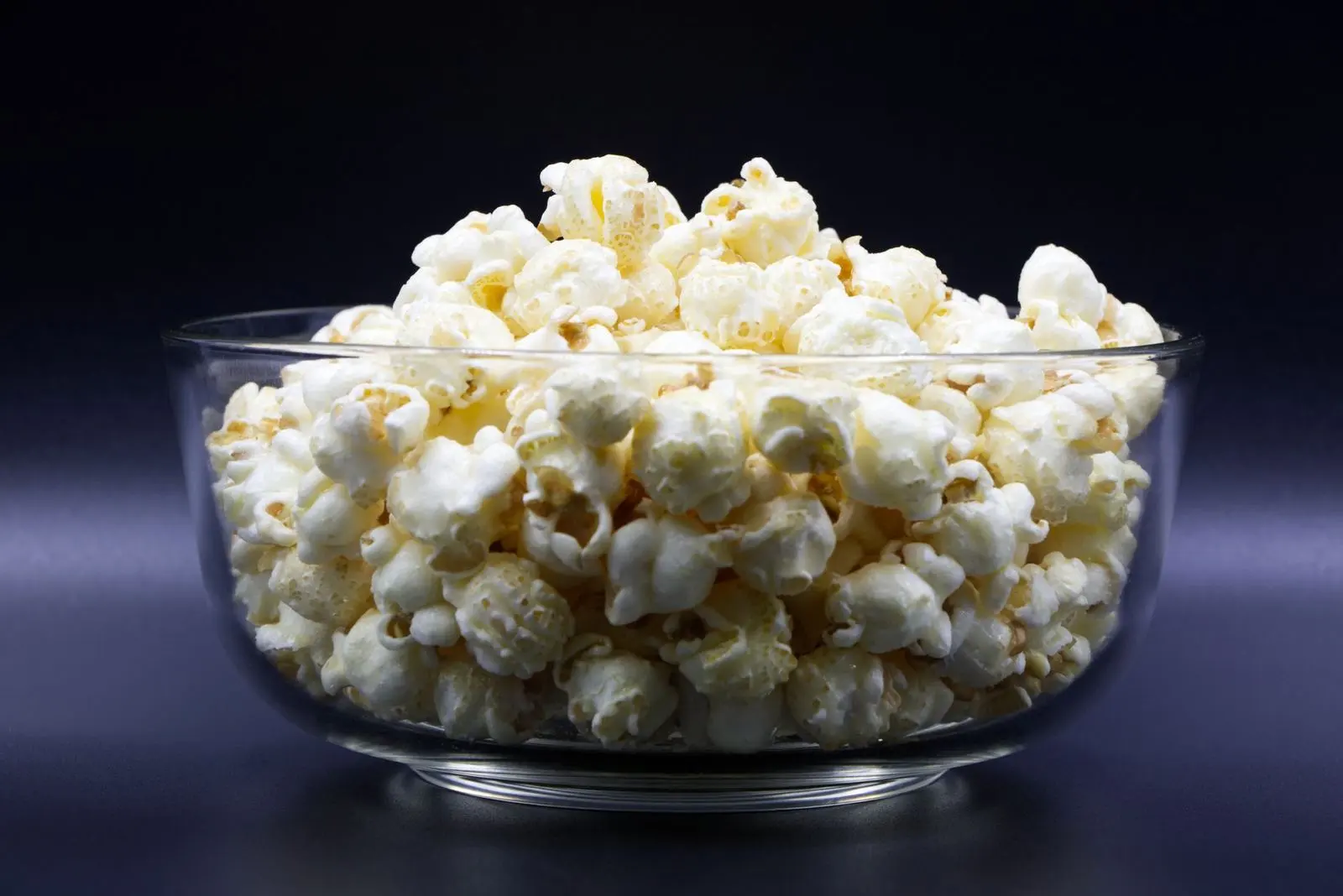
Butterfly popcorn is what you usually get in movie theater and microwave bags. It has an irregular shape and tends to be softer and fluffier than mushroom popcorn. Popsmith also lists it as snowflake popcorn, because no two pieces look the same.
The WebstaurantStore guide adds that butterfly popcorn has light, fragile wings protruding from all sides.
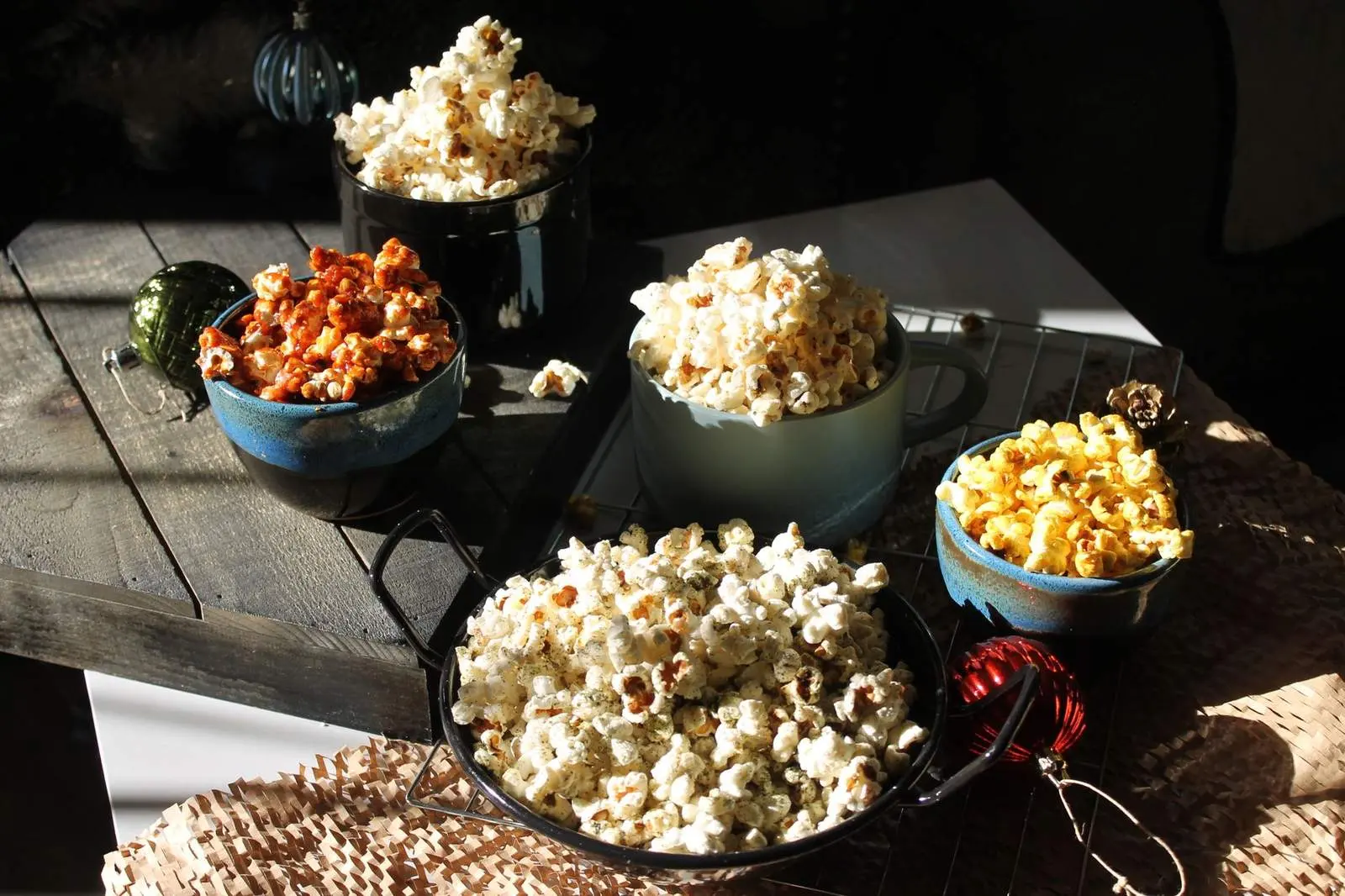
Mushroom popcorn is big, round and puffy. According to Popsmith it is stronger and sturdier than butterfly popcorn, which is why it is normally used for sweet popcorn. WebstaurantStore says it keeps its shape even when coated with caramel, cheese or chocolate.
A direct comparison of the two is in the guide on butterfly vs mushroom popcorn.
Hull-less and specialty varieties
Bags labelled hull-less can mislead. Popsmith states plainly that truly hulless popcorn doesn’t exist. What you get is a kernel with a thinner, more tender hull that is less likely to lodge in your teeth.
A retailer’s variety guide from Popcorn Popper makes the same point: all popcorn must have a hull to retain moisture and allow popping. It describes several small varieties bred so the hull shatters in high heat:
- Baby white: a very petite, tender piece of popcorn.
- Baby yellow: a little larger than baby white, and described as small and robust.
- Ladyfinger: similar to baby yellow but about half the size when popped.
- Midnight blue: about the size of baby white but with a thicker hull, popping into a small piece with a firm crunch.
- Purple: pops into a medium to large piece with a brilliant white color.
Midnight blue and purple kernels do not keep their color when popped, so what you see in the bowl is mostly white.
Choosing a kernel for your recipe
Match the kernel to the job before you buy. A quick guide, drawn from the sources above:
- Caramel corn: mushroom, as Popsmith recommends for caramel corn.
- Butter and salt in the movie theater style: butterfly shapes, the kind found in theater and microwave bags.
- Delicate seasoning such as white cheddar: white kernels.
- A nuttier, denser bite: red or blue kernels.
- Less hull in your teeth: white or one of the small hull-less varieties.
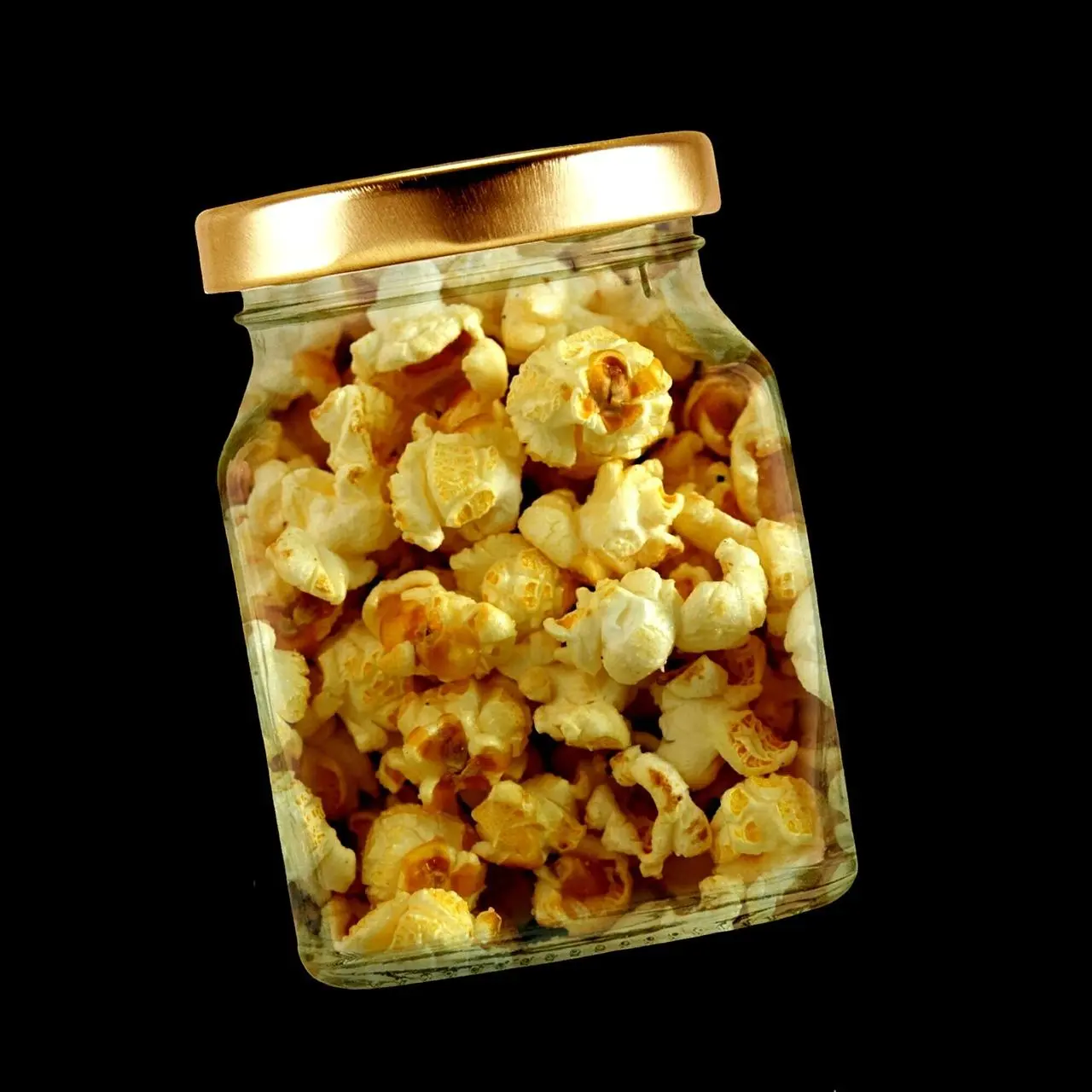
If you plan to follow your own recipe, Chef’s Pencil suggests plain kernels without any oil or spice. It also advises an airtight container, because moisture affects unpopped kernels.
Popped popcorn loses its crunch in a few hours, according to the same review, so pop only what you need. For the unpopped kernels, the guide on how to store popcorn covers keeping them sealed, which matters because Popcorn Popper warns the bag will never last if you forget to seal it.
Frequently asked questions
How many types of popcorn kernels are there?
Show answer
It depends on who is sorting them. Popsmith counts six, splitting them by color and by shape. A WebstaurantStore guide instead lists mushroom, butterfly, white, yellow and gourmet popcorn as its categories.
Do blue kernels pop blue?
Show answer
No. Popcorn Popper says its blue kernels pop into a brilliant white piece, with a hint of blue showing from hulls that are still visible.
Is hull-less popcorn free of hulls?
Show answer
No kernel is free of its hull. The label points to a hull that is thin or shatters when it pops, so less of it catches between your teeth.
Is white popcorn the same as rice popcorn?
Show answer
Often, yes. The WebstaurantStore guide says white popcorn is sometimes called rice popcorn because of the small size of its kernels.