If you’re wondering how to store popcorn, the answer is simple: keep it airtight, cool and dry. Popped corn needs to cool first, and kernels need steady moisture.
This page sits inside the wider guide to popcorn, and it covers both unpopped kernels and popped corn.
| Item | Value |
|---|---|
| Ideal kernel moisture | approximately 14% |
| Best-use window for kernels | 6-12 months |
| Plain popped corn, airtight, room temperature | 1-2 weeks |
| Seasoned or buttered popped corn, airtight | 3-5 days |
| Cooling time before storing popped corn | at least 15-20 minutes |
These figures come from Primal Survivor’s guide to kernel shelf life and Popsmith’s storage guide. They can change, so check the source before you rely on them.
Why popcorn goes stale or stops popping
A kernel is a hard hull around a moist, starchy interior, and moisture is what makes it pop. When you heat the kernel, the moisture starts turning into steam, and the pressure bursts the hull. Primal Survivor says researchers put the perfect moisture level at approximately 14%.
Kernels that dry out lose that pressure. The same source notes the hull can easily get cracks when it becomes too dry or when moisture levels change, and cracked hulls do not build pressure.
There is also a fat issue. Unpopped kernels hold a fat composition of approximately 3.2-4.6%, and when exposed to oxygen, fats start to oxidize and go rancid, according to the same page.
Popped corn has a different weakness. As Popsmith puts it, popped corn stales fast once it hits air and moisture.
How to store popped popcorn
Plain popcorn in an airtight container at room temperature stays fresh for 1-2 weeks, says Popsmith. Left exposed to air, such as in a bowl on the table, it can turn stale within 2-3 days. The routine below keeps you closer to the longer end.
- Cool it completely before it goes anywhere near a lid.
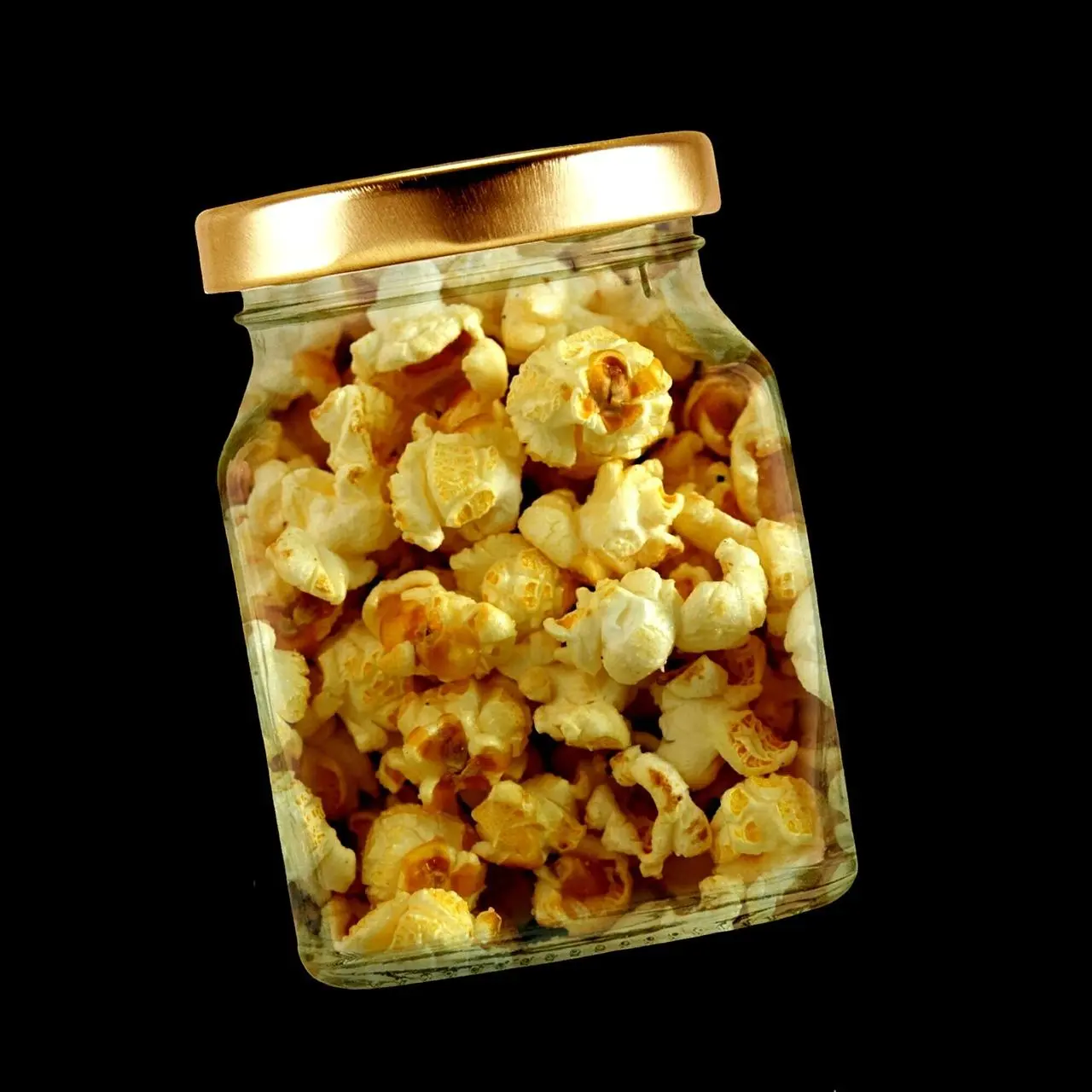
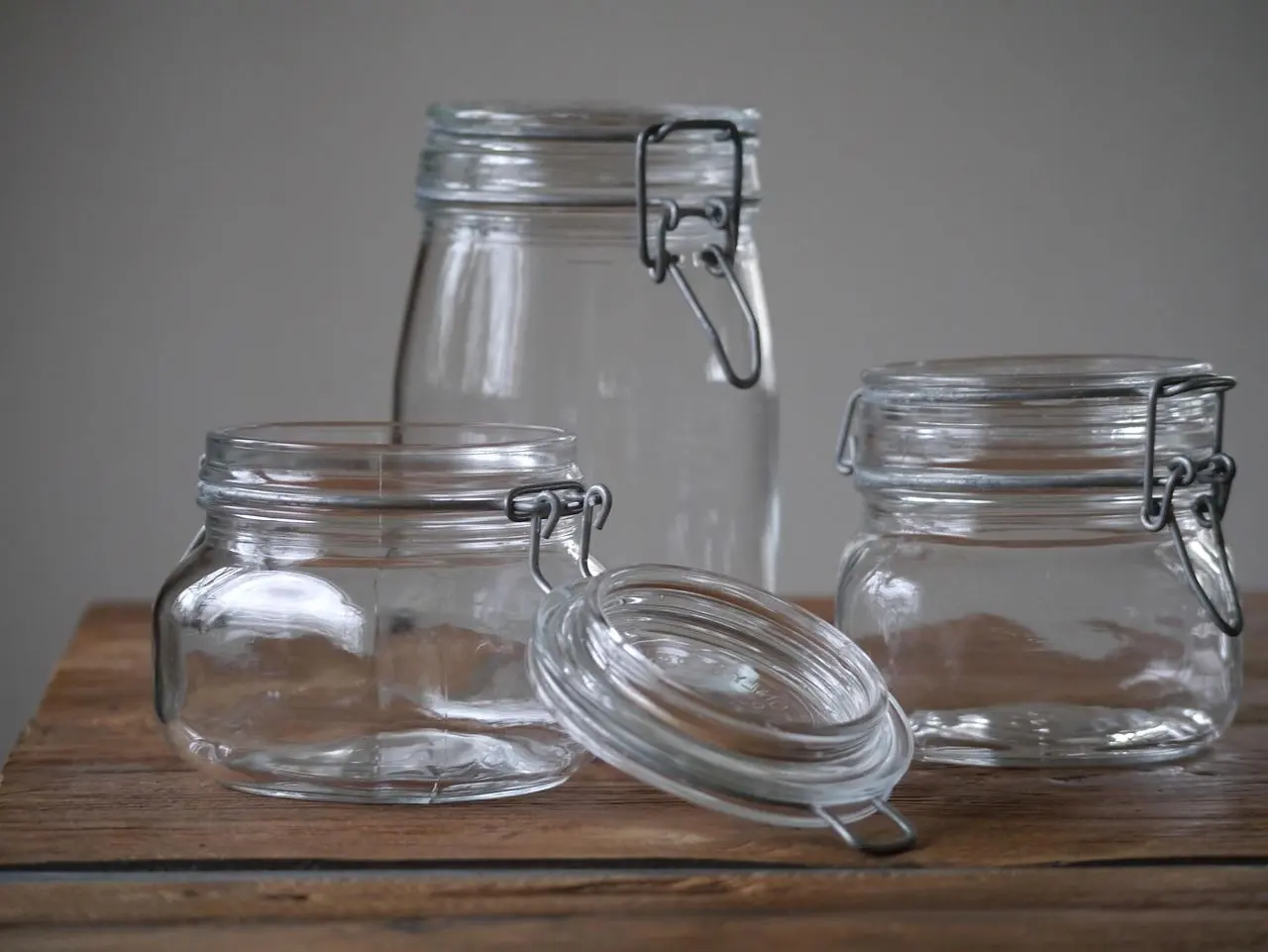
- Choose an airtight container: a jar with a tight lid, a resealable bag, a box with a rubber-sealed lid or a metal tin.
- Press the air out of a bag, or fill a rigid container to the top so little air is left inside.
- Put it in a cool, dry spot such as a pantry shelf, away from sunlight, heat sources and humid areas.
The cooling step matters because hot popcorn creates condensation inside containers, which turns it soggy and more prone to staleness. Popsmith advises waiting at least 15-20 minutes after popping.
Seasoned and buttered popcorn
Seasoning shortens the clock. Popsmith says seasoned or buttered popcorn typically lasts 3-5 days in an airtight container, because the butter or oil can go rancid, as noted on its storage page.
The simplest fix is to season only the amount you plan to eat and store the rest plain. If you want to know how coatings cling in the first place, read about how to make seasoning stick to popcorn.
How to store unpopped popcorn kernels
Kernels last far longer than popped corn, but not forever. Primal Survivor says it is best to use them within 6-12 months. In an airtight container in a cool place, shelf life can stretch to 2-3 years, though you may end up with many unpopped kernels.
- Truly airtight containers: Primal Survivor says a leaky lid lets moisture escape from the kernels.
- Cool and dark: fats go rancid faster in high temperatures, so skip the shelf above the oven.
- Dry containers: Popsmith warns that external moisture can cause mold, so check a jar is dry before you fill it.
- Small stocks: do not stockpile more than you can rotate through in 1 year.
For containers, Popsmith lists mason jars with tight-sealing lids, resealable plastic bags, food storage containers with rubber-sealed lids and metal tins with secure closures, which are good at blocking out light.
Testing an old jar
Found a forgotten container at the back of the cupboard? Pop a small batch first. If less than 90% of the batch pops, Popsmith says the kernels have lost too much moisture and fresh ones are the better choice.
Which kernels to buy is a separate question, and the guide to types of popcorn kernels is a good place to start before you stock a jar.
Should you vacuum seal or freeze kernels?
Storage advice for kernels varies online, and Primal Survivor takes a cautious line on three common methods:
- Oxygen absorbers: the source says they are not safe to use with popcorn kernels, because botulism can grow in oxygen-free environments if there is enough moisture.
- Vacuum sealing: it also advises against vacuum-sealed bags or containers for kernels.
- Freezing: moisture levels can easily fluctuate in frozen foods, so unless you live somewhere very warm, it suggests not freezing kernels.
The practical reading is plain. A sealed jar in a cool cupboard is the low-risk choice for a household that eats popcorn regularly.
How can you tell popcorn has gone bad?
For popped corn, texture is the first clue: if it is chewy instead of crunchy, it is past its best, according to Popsmith. Smell comes next, and the same page says a moldy or rancid smell from popped or unpopped popcorn is a reason to steer clear.
Moisture is the main trigger for mold. Unpopped corn kernels that take on excess moisture create the perfect environment for mold to thrive, so a damp jar is worth tipping out.
Old kernels that merely pop poorly are a different case. Primal Survivor says old kernels might not pop well but can still be used, and that rancid oils can make them taste bad.
Frequently asked questions
Can stale popped popcorn be revived?
Show answer
If it is only stale and not spoiled, Popsmith suggests spreading it on a baking sheet and warming it in a 250°F oven for 5-10 minutes to restore some crispness.
Does microwave popcorn expire?
Show answer
According to the USDA, as reported by Survival Freedom, a bag keeps peak quality for a year at 70 degrees Fahrenheit. That page adds that the oil and seasoning in the bag can go bad and taste bitter, and that a bag smelling rancid or showing mold should not be eaten.
What can you do with kernels that no longer pop?
Show answer
One option from Primal Survivor is to grind them into polenta or grits with a heavy-duty manual grain mill. Taste a little first, since rancid oils can leave an unpleasant flavour.