You spot “natural flavouring” on a snack bag and ask: what does natural flavouring mean? It means the flavour comes from plant, animal or microbiological sources, not synthetic ones, though the label may not name which.
For more ideas on what to put in your basket, see our guide to healthy snacks.
| Item | Value |
|---|---|
| US rule that defines natural flavor | 21 CFR 101.22 |
| EU rule on the use of flavourings | Regulation (EC) No 1334/2008 |
| EU share of flavouring component from a named source | at least 95% |
| US terms allowed on an ingredient list | spice, natural flavor, artificial flavor |
Figures come from Cornell LII’s copy of 21 CFR 101.22 and ANSES. Rules can change, so check the source before you rely on them.
How US rules define natural flavor
In the United States, the natural flavor definition sits in 21 CFR 101.22, the labelling rule for spices, flavorings, colorings and chemical preservatives, as Cornell LII’s copy of 21 CFR 101.22 shows. It covers an essential oil, oleoresin, essence or extractive, protein hydrolysate, distillate, or any product of roasting, heating or enzymolysis.
The flavouring constituents in that product must be derived from one of these source materials:
- a spice, a fruit or fruit juice, or a vegetable or vegetable juice;
- edible yeast;
- an herb, bark, bud, root, leaf or similar plant material;
- meat, seafood, poultry or eggs;
- dairy products;
- fermentation products of any of the above.
The definition also applies a function test: the significant function of the substance in the food must be flavouring rather than nutritional. A natural flavor is therefore an extract or product made for taste, not a whole ingredient added for substance.
How is natural different from artificial flavor?
The same US rule defines artificial flavor as any substance whose function is to impart flavor and which is not derived from those source materials, according to the eCFR text of 21 CFR 101.22. The dividing line in the definitions is therefore where the substance comes from.
The definitions do not say one tastes better or is better for you. They only sort flavourings by origin and by purpose.
What does natural flavouring mean under EU rules?
In the EU, Regulation (EC) No 1334/2008 sets the conditions for using flavourings, including the labelling rules, according to ANSES. The French agency adds that flavourings may be natural (of plant, animal or microbiological origin) or synthetic, and that their use must be specified in the list of ingredients.
When a label names a source, a 95% threshold applies. At least 95% of the flavouring component must be obtained from the raw material named, with cacao flavouring as ANSES’s example, as the ANSES flavourings page explains.
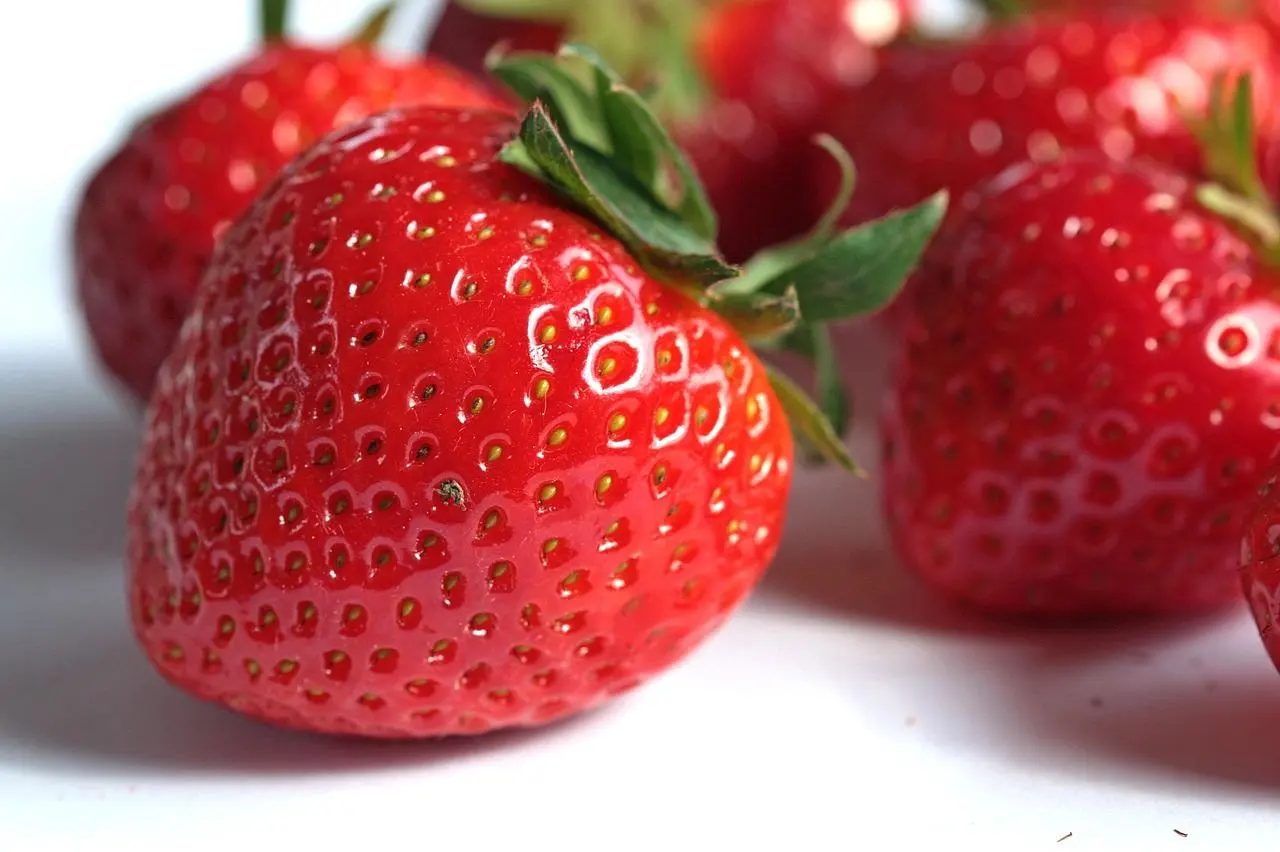
The Food Safety Authority of Ireland gives natural strawberry flavouring as a labelling example. It also notes that flavourings should not be used to mislead the consumer about the nature of a product, the naturalness of a product or its nutritional quality.
What an ingredient list shows and what it leaves out
US rules let a manufacturer declare a single term for flavouring on the label. Spice, natural flavor and artificial flavor may each be written as just that, according to 21 CFR 101.22.
EU wording can be just as short. In the FSAI’s ice-cream example, a product with one natural and one non-natural flavouring may list ‘natural raspberry flavouring, vanilla flavouring’ or simply ‘flavourings’, as the FSAI page on labelling of flavourings sets out.
So the ingredient list reliably tells you a few things and leaves others open:
- That a flavouring is present, because its use has to be listed.
- Whether the wording says natural or artificial, where the term is used.
- Not always the exact source material, since a bare “flavourings” or “natural flavor” is allowed.
How to read flavour wording when you shop
A few quick checks make a flavour line easier to judge:
- Look for a named source, such as natural strawberry flavouring. In the EU that signals the 95% source rule described above.
- Treat a plain “flavouring” or “natural flavor” as a line that names no source.
- Note whether “artificial flavor” appears, since US labels use that term for substances outside the natural source list.
- Read the rest of the list too, because flavour is only one part of the label.
Sweetness is another place where wording varies, and our guide to names for added sugar on food labels covers it. If you are comparing snacks on texture and ingredients, the page on high fibre snacks is a useful next step.
Frequently asked questions
Is natural flavouring the same as a natural ingredient?
Show answer
Not quite. In the definitions, a natural flavour is an extract, essence or similar product whose job is to add taste, so it is different from the whole fruit, herb or other food it may come from.
Can a flavouring be called natural if part of it is synthetic?
Show answer
Under the Irish regulator’s summary of EU rules, the word natural may only describe a flavouring whose component comprises only flavouring preparations and natural flavouring substances. Details are on the FSAI labelling page.
Can one product list natural and artificial flavours together?
Show answer
Yes, the US rule lets a label combine the terms spice, natural flavor and artificial flavor as the case may be, per 21 CFR 101.22.