Stuck for healthy snacks for kids that survive a lunchbox? You can keep it simple: pick one item from each food group, add water, and let your child help choose.
This page is one part of the wider guide to healthy snacks, with ideas aimed at school days.
| Item | Value |
|---|---|
| Food groups to draw from | 5 food groups |
| Parts of a healthy lunchbox | 6 key parts |
| Time limit for perishable foods | Eaten within about four hours of preparation |
| Reduced-fat dairy | An option for children over the age of 2 years |
| Best drink | Water |
These figures come from the Better Health Channel and the NSW Government. Guidance can change, so check the sources before you rely on them.
Start with a simple lunchbox pattern
The Better Health Channel says to try to include a variety of foods from each of the 5 food groups. The NSW Government adds that filling the lunchbox from those groups helps children develop healthy habits.
The Better Health Channel splits the lunchbox into 6 key parts, and each one can supply a snack:
- Fruit: fresh or tinned fruit are the best choices.
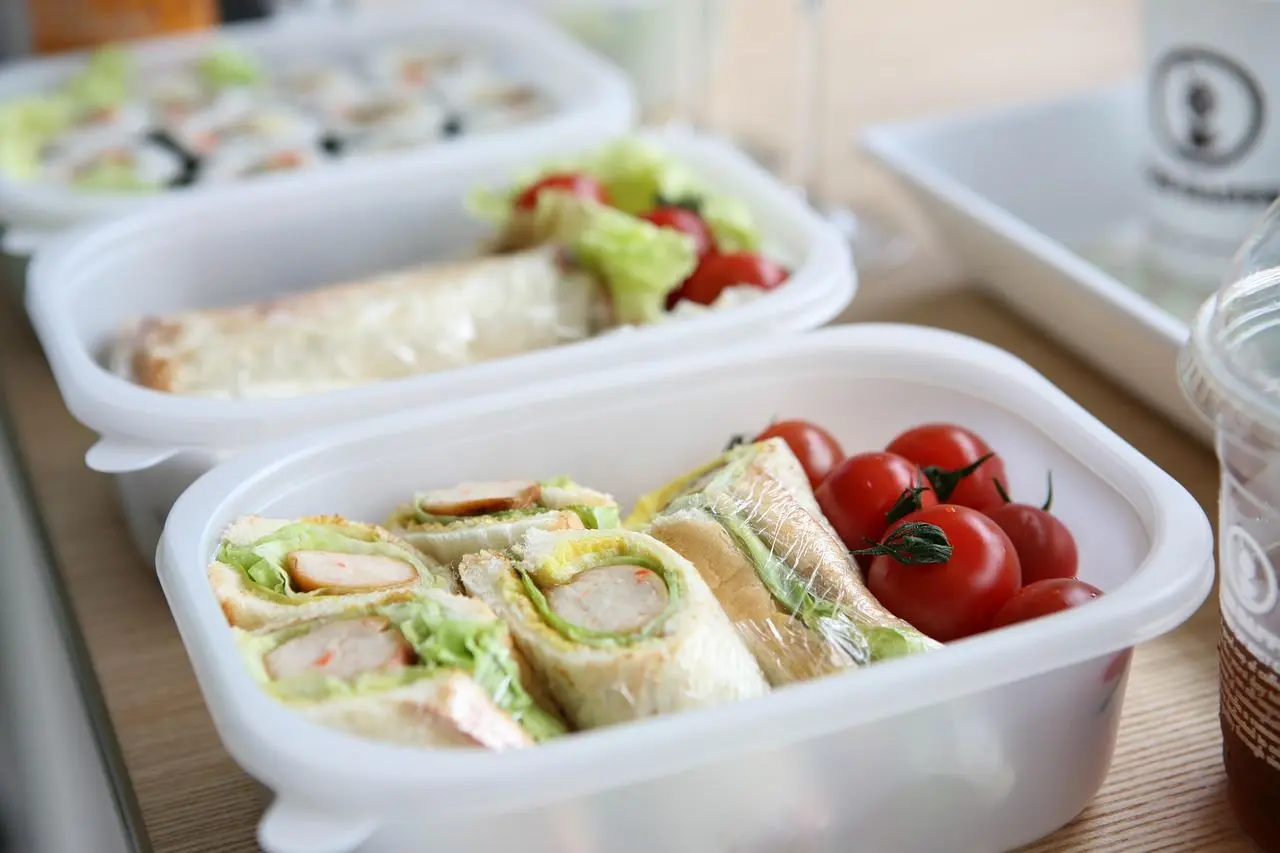
- Vegetables: crunchy sticks with a dip, or a small container of cherry tomatoes, carrot sticks, capsicum and cucumber.
- Milk, yoghurt or cheese: reduced-fat options are suitable for children over the age of 2 years, according to the Better Health Channel.
- Meat or meat alternatives: lean chicken strips, a hard-boiled egg or peanut butter.
- Grain or cereal foods: a bread roll, flat bread, fruit bread or wholegrain crackers.
- Drinks: tap water.
Check your school’s rules before packing nuts. The Better Health Channel notes that where a school has a nut-free policy, peanut butter and other nuts should stay out of the lunchbox.
If you would like more ideas built around fibre-rich foods, the guide to high fibre snacks is a natural next read.
Which snacks fit each food group?
The NSW Government lists many lunchbox-friendly foods, and plenty of them work as stand-alone snacks. A few picks from those lists:
- Vegetables and legumes: carrots, cucumbers, celery, capsicum, cherry tomatoes, cooked peas, edamame beans or chickpeas.
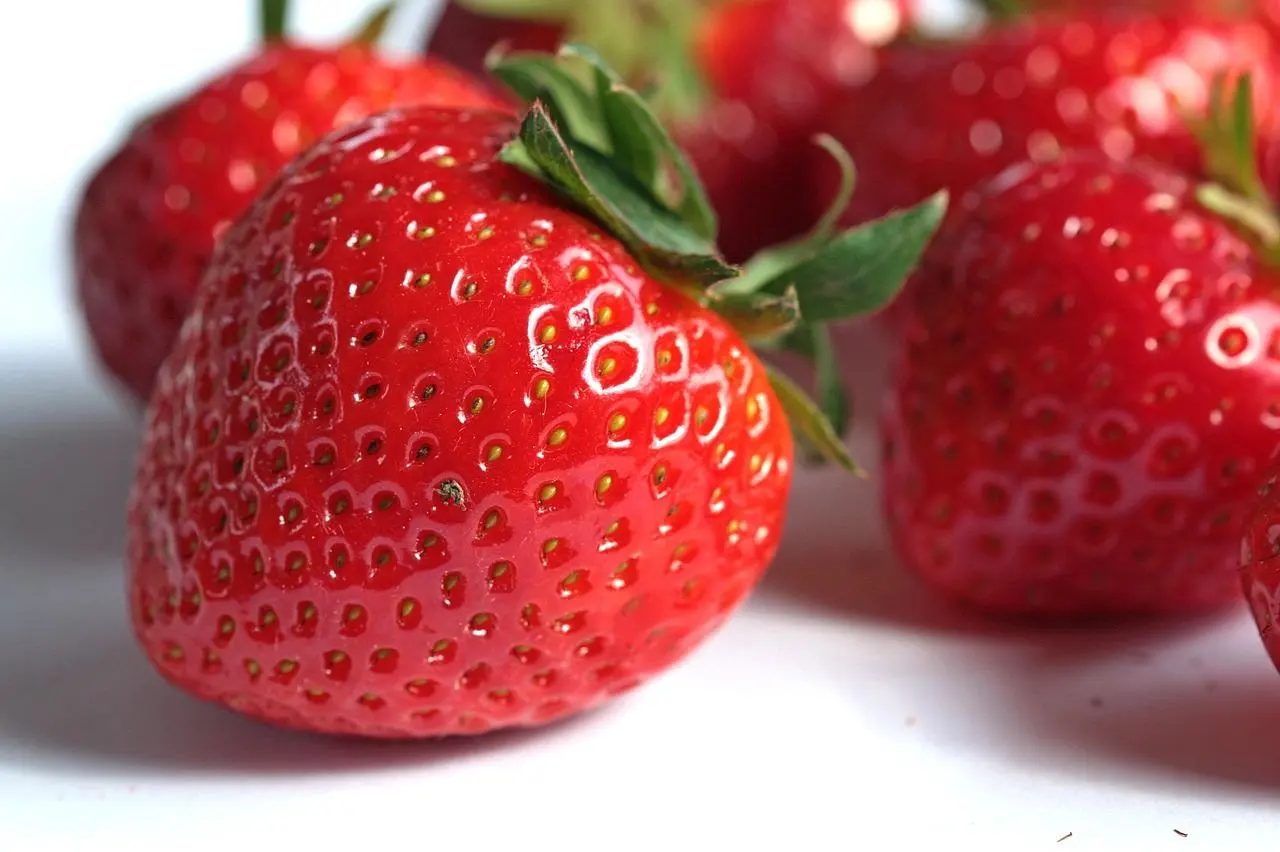
- Fruit: whole apples, bananas, mandarins or pears, cut-up strawberries, kiwi fruit or watermelon, and frozen mango or mixed berries.
- Grains: plain rice crackers, corn or rice cakes, wholemeal crispbread, raisin bread or pikelets.
- Dairy: yoghurt in a tub, cheese sticks or cubes, tzatziki or raita.
- Protein: hard boiled eggs, canned tuna or salmon, baked beans or lean cold chicken.
Popcorn gets a mention as well. NSW suggests you make or buy plain popcorn and store it in snack-sized portions.
Dried fruit such as sultanas, dried apricots and apple rings appears on the NSW list. The Better Health Channel, though, calls dried fruit sticky and high in sugar, so occasionally is its advice.
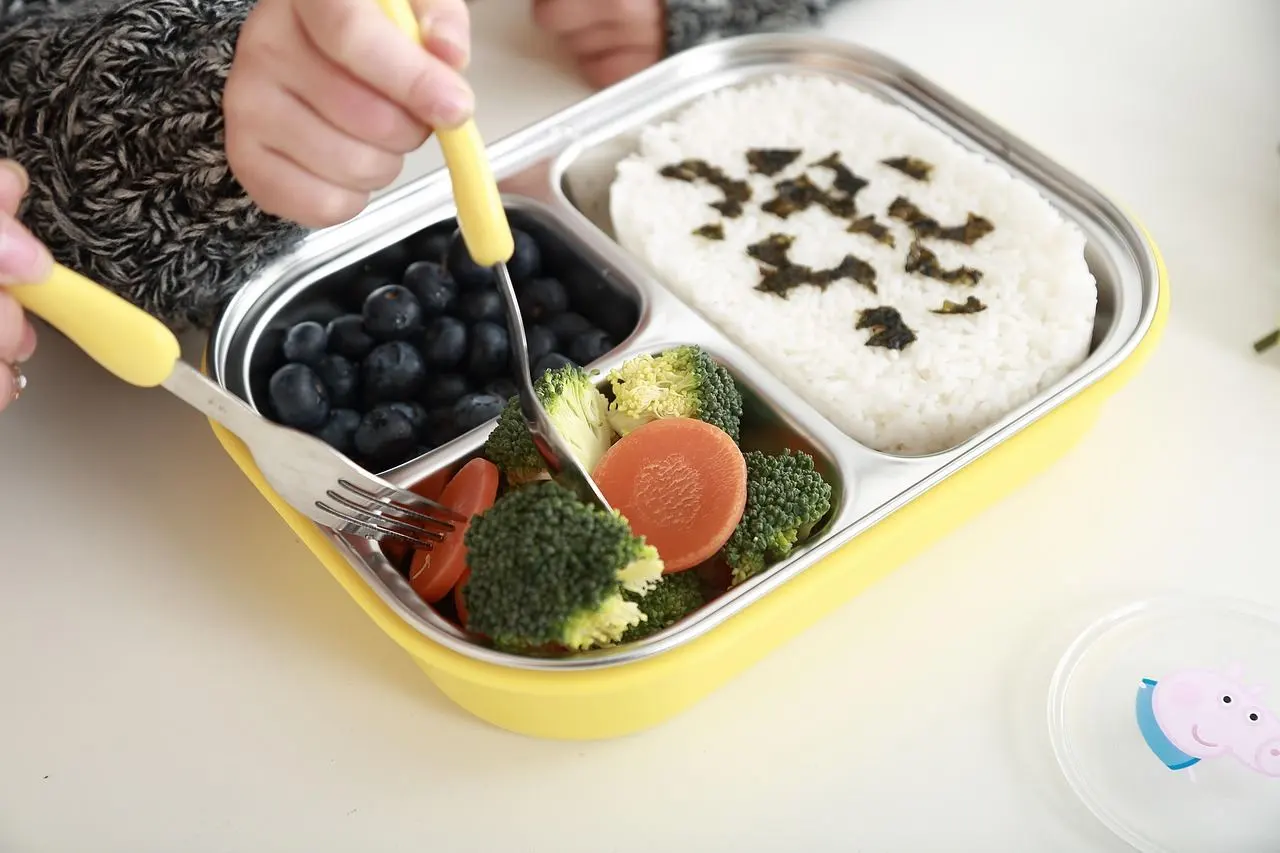
For packaged items, NSW points you to the Health Star Rating on the label. The more stars, the healthier the choice.
Prepare the night before and let your child help
NSW says that packing a lunchbox the night before saves time in the morning rush. Better Health adds that evening preparation gives children a chance to take part. A routine could look like this:
- When you cut vegetables for dinner, chop extra celery, carrot or capsicum into sticks and keep them in the fridge overnight.
- Slice up fruit, or spoon frozen fruit over yoghurt in a reusable container.
- Make the sandwiches, rolls or wraps, and leave wet ingredients such as tomato in a separate container for your child to add at school.
- Portion out a plain, unsweetened snack such as popcorn into small containers.
- Turn leftovers into something new, for example stir-fry rice rolled into a sushi sandwich.
The Better Health Channel also suggests writing a shopping list together and letting children pick from it. Younger children can help make sandwiches or cut up soft fruit, while older children may prepare most of their lunch themselves.
Appetite changes from day to day. Better Health describes this as normal and recommends letting your child decide how much to eat.
Parents packing their own bag for the day may also like the ideas in healthy snack ideas for work.
Keeping lunchbox snacks cool and safe
The NSW Government notes that young children do not have fully developed immune systems, so food poisoning is a greater risk for them. Lunchboxes can warm during the day, which helps bugs grow.
- Use an insulated lunch bag to keep food cold.
- Add a frozen water bottle or freezer brick in the morning.
- Pack a wrapped frozen bottle or brick next to cheese, yoghurt, meat and salad.
- Eat perishable foods such as dairy products, eggs and sliced meats within about four hours of preparation, as the Better Health Channel advises.
In hot weather, the Better Health Channel suggests sending frozen milk, yoghurt or water, or even frozen orange segments. That doubles as a refreshing snack and helps keep the rest of the lunchbox cool.
Small touches help too. Cutting large fruit into pieces makes it easier to eat if your child has wobbly teeth or little time, and a damp face washer handles juicy fingers.
What to leave out of the lunchbox
The Better Health Channel names several items that do not belong in a healthier lunchbox:
- All sweet drinks, including fruit juices, cordials, sports drinks and soft drinks.
- Dried fruit bars and straps, which are low in fibre, high in sugar and can stick to teeth.
- Dairy desserts, chocolate bars and muesli bars, which are generally high in fat and sugar.
- Chocolate spreads, jams and honey in sandwiches, which add extra sugar.
- Fatty, salty processed meats such as salami.
- Oven-baked savoury biscuits, since some are just as high in salt and fat as crisps.
Artificially sweetened drinks are on the same advice list. The page says they still encourage a taste for sweet drinks and are acidic, so they should stay out too. Source: Better Health Channel.
Frequently asked questions
What should my child drink with snacks?
Show answer
Plain water is the pick. The NSW Government says water is the best drink for kids and that tap water has added fluoride to help protect teeth.
Can I make lunchboxes ahead of time?
Show answer
Yes. The Better Health Channel says to keep prepared lunches in the fridge until it is time to leave, or freeze them in advance.
What if my child will not eat vegetables?
Show answer
Better Health suggests talking through choices together and including food your child likes. It also recommends offering a variety of colourful vegetables and fruit for colour and crunch, as noted by the Better Health Channel.
What if my child cannot have milk products?
Show answer
The Better Health Channel lists calcium fortified soy or rice drink and soy yoghurt as daily alternatives for children who cannot tolerate milk products.